
Quick Nav
- Criteria for what made the checklist
- Scope notes before fair day
- Checklist cluster: before leaving home
- Checklist cluster: what to carry on the grounds
- Checklist cluster: family, accessibility, and comfort plans
- Parking, midway, barns, and food timing
- What to leave home
- Final car scan
A Better Way to Arrive at the Fairgrounds
A good fair-day checklist does one quiet job: it reduces friction before the gate.
That means less fumbling for tickets, fewer forgotten essentials, and more time for the pieces that make the Ledyard Fair worth the trip: exhibits, animals, food, contests, entertainment, and the midway. The practical problem starts earlier than most visitors think. It starts in the parking area, when hands are already full, a child wants a snack, the sun feels stronger than expected, and the admission line keeps moving.
This guide treats a Ledyard Fair visit as a physical sequence. Park. Walk. Enter. Check the schedule. Eat. Watch competitions. Visit barns. Manage tired feet. Get back to the vehicle with the same keys and phone you brought in.
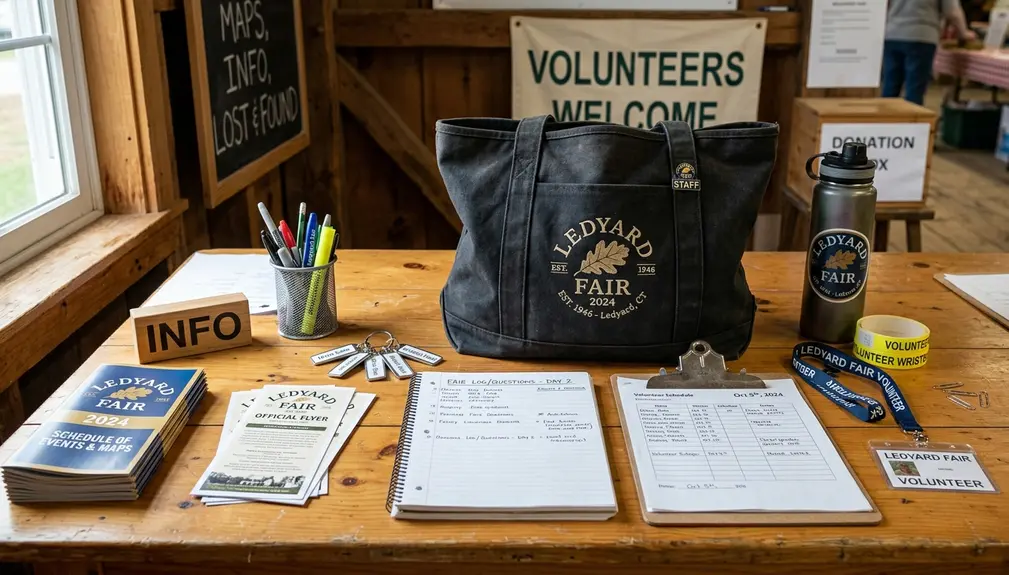
Outer parking edges and repeat laps across the grounds can add up quickly. Over a four- to six-hour visit, the walking distance from far parking perimeters to main exhibits and back through food, barns, and entertainment areas often becomes more than a casual stroll. That is why the best pack is not the biggest pack. It is the one that stays useful after the first hour.
Note: This checklist is written for visitors using the official Ledyard Fair information hub. Current posted fair notices, gate instructions, parking directions, and day-of announcements should always guide the final decision.
Criteria for What Made the Checklist
Each item earns its place by solving a common fair-day friction point: arrival, comfort, payment, weather, family coordination, livestock-area etiquette, or end-of-day fatigue.
The selection rule is deliberately narrow. If an item cannot fit within a standard 6-by-9-inch belt bag or a small crossbody, it needs a stronger reason to come along. A fair visit is not a camping trip. Hard backups, duplicate clothing, and “just in case” gear may feel reassuring in the kitchen, but they become dead weight beside the barns or in a food line.
One packing approach loads the vehicle for every possible inconvenience. A better fairgrounds approach separates vehicle supplies from walking supplies. Keep bulky extras in the car if they are reasonable to bring at all. Carry only the items that help during several hours on foot.
That weight-to-utility rule keeps the checklist honest. A phone power bank, small cash backup, compact weather layer, and wipes solve real problems without turning the visitor into a pack mule.
Summary: The checklist favors small items with repeated use across a day visit to an agricultural community fair.
What This Checklist Can and Cannot Tell You
This checklist supports planning. It does not replace current fair schedules, gate instructions, parking directions, vendor policies, weather calls, or posted rules at the fairgrounds.
Before leaving home, visitors should check official fair updates for event timing, permitted items, parking notes, and any weather-related changes. This matters most when the day includes animal shows, arena events, contests, or entertainment with fixed start times.
One catch: this checklist assumes standard weekend fair operations; sudden agricultural health advisories or severe weather protocols will immediately override these packing suggestions.
The practical distinction is simple. Preparedness belongs to the visitor. Policy belongs to the fair.
Before You Leave Home
The pre-departure phase should handle anything that becomes annoying at the gate. Weak cellular service, full hands, restless children, and a moving admission line all make small tasks feel bigger.
Item 1: Confirm today’s fair hours and must-see events.
Start with the schedule, not the packing pile. If the main reason for going is an animal show, arena event, contest, or specific entertainment act, the arrival time should work backward from that event.
A family aiming for a late-afternoon midway visit can move differently than a visitor who wants to watch livestock judging in the morning. The checklist does not decide the day’s priority. It protects it.
Save or print what would be painful to lose. Arriving at the gate with a dead smartphone and no printed tickets can turn into an avoidable walk back to the parking lot.
Item 2: Check the weather and dress for the grounds.
Fairgrounds weather is not just a temperature question. Sun exposure, damp grass, wind across open areas, and evening cooling all change how comfortable the day feels.
Review the two-day localized forecast before choosing shoes and layers. For the most current weather basis, use the local forecast from the National Weather Service. Comfortable closed-toe shoes should be the default. Add a light jacket, compact rain layer, hat, sunglasses, or sunscreen based on the day’s conditions.
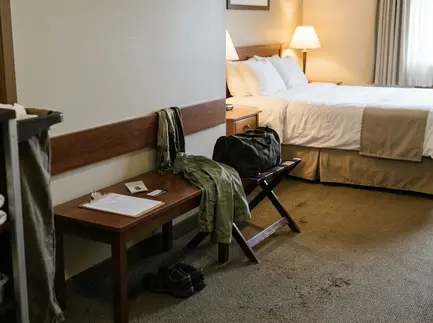
Closed-toe shoes also make barn visits easier. They handle uneven ground, spilled bedding near livestock areas, and the slow shuffle of crowd movement better than sandals.
Item 3: Choose a simple payment plan.
Payment planning should match the day’s real goal. A visitor focused on midway attractions may use a different mix of cash and cards than someone shopping with small agricultural vendors or independent craft sellers.
Bring the payment methods you are comfortable using, then add a small cash backup. For visitors who want a practical target, roughly $40 to $60 in small denominations, especially $1s and $5s, keeps purchases flexible when a vendor or activity does not take cards.
Quick Tip: Keep cash in two places: a working amount near the wallet and a small backup tucked deeper in the bag.
What to Carry Once You’re on the Grounds
The on-site kit should let visitors move, eat, take photos, wash up, and adjust to weather without setting belongings on dirty surfaces. Hands-free matters more than capacity.
Item 5: Pack a small, hands-free bag.
A crossbody bag, small backpack, or belt bag works better than a loose tote for most fair visits. It keeps tickets, keys, wallet, sunscreen, and phone together while leaving hands open for food, railings, children, or photographs.
The bag should not become a portable junk drawer. If it starts to bulge before leaving the house, remove something.
Item 6: Bring weather protection that fits in the bag.
Weather gear should compress. Sunscreen, sunglasses, a brimmed hat, compact poncho, or light jacket all make sense when the forecast points that way. A full umbrella, heavy coat, or bulky blanket may solve one problem while creating three more in a crowd.
Evening visitors should think differently than morning visitors. The midway may look best after dark, but the cooler air can make a short sleeve shirt feel optimistic.
Item 7: Plan for hydration without assuming the rules.
Hydration planning starts with current fair guidance on outside beverages. If outside bottles are not appropriate, decide where to buy drinks early rather than waiting until everyone is hot, tired, and stuck between events.
The same rule applies to phone power. A 10,000 mAh portable power bank gives roughly two full smartphone charges, which is enough for schedules, photos, messages, and navigation back to the vehicle. It earns its space because it prevents several problems at once.
Pack a travel pack of 15 to 20 antibacterial wet wipes, especially if barns and food are both on the plan. They are not a substitute for proper handwashing where handwashing is available, but they help after railings, animal areas, and sticky snacks.
Family, Accessibility, and Comfort Plans
Crowds, animal sounds, food smells, dust, music, and bright midway lights can all stack up. Families usually do better when comfort planning happens before discomfort becomes the loudest part of the visit.
Item 10: Pick a meeting spot before anyone wanders.
Choose a visible, fixed landmark before separating. A main gate, information area, or familiar building works better than a food truck, ride line, or roaming group of friends.
Say the plan out loud. Children, teens, grandparents, and visiting friends should know where to go if phones die or the group splits after a show.
Item 11: Prepare kids for animals, crowds, and noise.
Set plain expectations before entering barns. Ask before touching animals. Give exhibitors room when they prepare animals for shows. Wash hands after barn visits. Stay close in busy areas.
Simple rules work best because the grounds are already stimulating. A child who knows what comes next has fewer decisions to process in the moment.
Item 12: Think through mobility and rest needs.
Plan slower walking routes and seating pauses before the group is worn down. A 15- to 20-minute seated break away from the main midway every 90 to 120 minutes can reset the day, especially for young children, older visitors, and anyone managing pain or fatigue.
Strollers or wagons should only come if current fair guidance allows them and the visitor can manage them safely through crowds. The question is not whether wheels help in theory. The question is whether they help on that day, with that crowd, on those paths.
Parking, Midway, Barns, and Food Timing
The checklist also supports timing decisions. Visitors who want easier parking and popular morning events should target an arrival window between 8:30 AM and 9:15 AM when that fits the day’s schedule. Visitors who care most about evening atmosphere may accept a longer parking walk in exchange for midway lights and cooler temperatures.
Before leaving the vehicle, take a quick photo or note of the parking area. Do it while everyone is still calm. End-of-day fatigue makes “we parked somewhere over there” a weak system.
Food timing deserves the same first-principles thinking. Peak hunger creates peak lines. Shifting lunch to 11:15 AM or 1:45 PM can make the meal feel less like a test of patience, especially with children or older visitors.
Animal barns reward a slower pace. Enter with clean hands, move patiently, and respect exhibitors preparing animals for shows. The barn is not only a visitor stop; it is also a work area for families and competitors.
What to Leave Home
Leave behind items that slow crowd flow, add avoidable weight, or create handling problems around animals, food, and tight walkways.
- Hard-sided coolers exceeding 12 inches in width should stay in the vehicle.
- Bulky blankets and oversized chairs should stay home unless current fair guidance clearly supports their use for a specific event.
- Large loose totes should be replaced with a smaller hands-free bag.
- Valuables that do not serve the visit should not come onto the grounds.
The goal is not austerity. The goal is movement without constant rearranging.
Final Car Scan
Use the trunk or back seat as the last decision point. Once the doors lock, every forgotten item costs time and steps.
- Keys.
- Wallet.
- Phone.
- Tickets or admission materials.
- Weather layer.
Allocate about a minute for that five-point pocket check. It is short enough that people will actually do it and specific enough to catch the mistakes that sour the first half hour.
Summary: Pack for the walk you will actually take, not the imaginary emergency you probably will not face. Check the current notices, carry the small essentials, and let the fair day stay focused on the fair.



Comments
No comments.
Write a Comment