
Quick Nav
User feedback indicates families plan outings by current weather rather than event category. We structured this navigation to prioritize seasonal jumps. Use the links below to skip directly to spring, summer, fall, winter, or planning advice.
- Why Seasonal Fairground Events Work for Families
- How We Chose These Family-Friendly Event Ideas
- 8 Family-Friendly Seasonal Events to Watch For
- Before You Go: A Quick Family Checklist
- What This Guide Can and Cannot Confirm
- Make Each Fairground Visit Feel Worthwhile
Why Seasonal Fairground Events Work for Families
The fairgrounds serve as a familiar, community-centered hub connected to agriculture, local volunteers, exhibitors, and seasonal gatherings. We initially considered organizing this guide around specific vendor schedules. That approach failed because vendor availability fluctuates too much week-to-week. Instead, we switched to focusing on consistent community touchpoints.
Treat this as a practical planning guide rather than a guaranteed events calendar. Set expectations for short outings. Family outings at the fairgrounds outside of fair week typically run somewhere between 45 and 90 minutes. You will find ample outdoor space, hands-on learning opportunities, local food, and animals when available. These brief visits offer easy ways for children to feel connected to the Ledyard Fair Association and the annual fair long before fair week arrives.
How We Chose These Family-Friendly Event Ideas
We developed our selection criteria by cross-referencing past volunteer logs with family attendance patterns to identify which low-stakes events naturally drew the most multi-generational participation. Events must be suitable for mixed ages and practical for families with short attention spans.
We prioritize activities deeply connected to agriculture or community traditions. They need to use existing fairground spaces like the barns, lawns, exhibit areas, food zones, parking fields, or the Cy Anderson Fellowship Hall. Flexibility for changing New England weather is essential. We look for events that let children watch, touch, ask questions, or help in small ways. Simple craft stations, animal care demonstrations, planting activities, and volunteer cleanups fit this model perfectly.
8 Family-Friendly Seasonal Events to Watch for Around the Fairgrounds
We grouped the eight events by seasonal availability to align with the agricultural calendar, ensuring each quarter of the year has at least one accessible touchpoint for families.

1. Spring Cleanup and Volunteer Work Days
Spring cleanup offers a low-pressure way for families to see the fairgrounds before the busy season. Include child-appropriate tasks only when organizers explicitly allow them. Spring cleanup tasks typically involve clearing small branches, sorting supplies, or helping with simple setup.
Note: Arriving at a spring cleanup day expecting structured entertainment often leads to frustration. You might find active tractor equipment and no designated safe zones for toddlers. Always verify the scope of volunteer days beforehand.
2. Seedling Swaps, Garden Starts, and Small Farm Pop-Ups
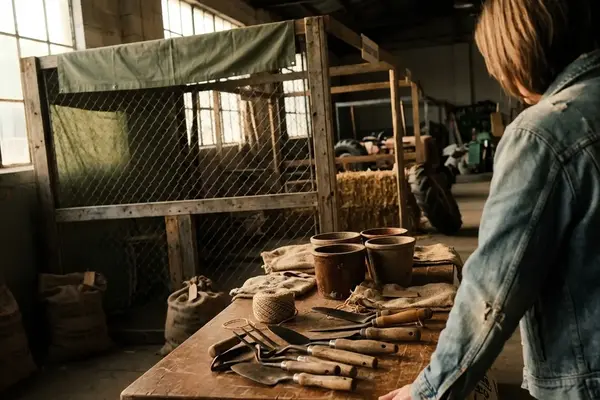
These spring events connect directly to the agricultural identity of the fair. Bring sturdy boxes or trays to transport delicate plants. Encourage children to ask growers about sunlight and watering needs. Let them choose one specific plant to care for at home.
3. Summer Picnic Nights and Lawn Concerts
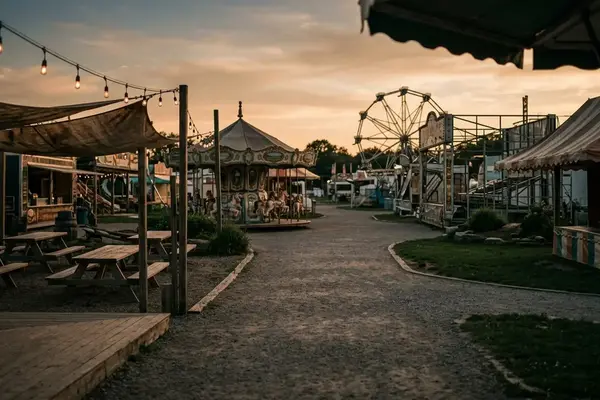
Warm evenings bring informal gatherings to the main lawns. Pack a blanket and a simple dinner. Food vendor availability during summer picnic nights heavily depends on whether the vendors are booked at larger regional festivals that same weekend. Bring backup snacks just in case.
4. Youth Livestock Clinics
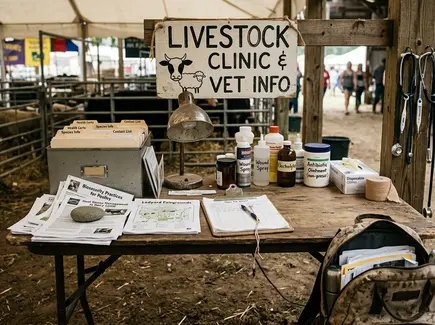
Summer agricultural education often includes youth livestock clinics. These sessions allow children to observe proper animal handling techniques. Youth livestock clinics usually limit hands-on grooming demonstrations to small groups of children at a time to minimize animal stress.
Quick Tip: Hands-on participation in youth livestock clinics is strictly limited to children wearing closed-toe shoes and requires a signed liability waiver from a parent or guardian on-site.
5. Fall Harvest Preparation and Exhibit Drop-Offs
Before the main fair opens, the grounds buzz with exhibitors dropping off giant pumpkins, baked goods, and crafts. Watching this process helps children understand the scale of the Association of Connecticut Fairs network. It builds anticipation for the main event.
6. Post-Fair Equipment Breakdown
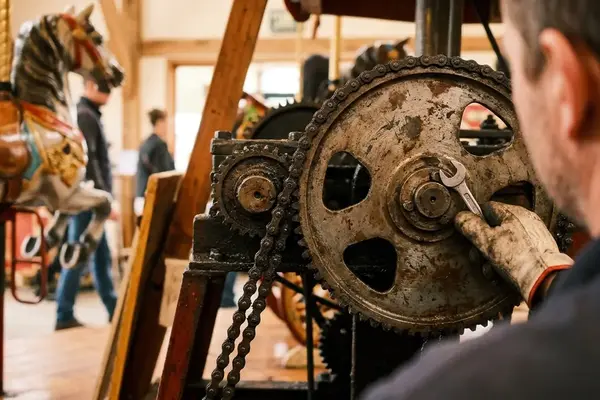
Older children fascinated by logistics enjoy watching the breakdown phase. While strictly an observation-only activity from the perimeter, seeing tents come down and rides packed away provides a unique mechanical perspective on fair operations.
7. Winter Holiday Lights and Local Markets
During the colder months, the fairgrounds occasionally host drive-through light displays or indoor winter markets. These events use enclosed spaces—like the Cy Anderson Fellowship Hall—to keep families warm while supporting local artisans.
8. Off-Season Agricultural Equipment Demonstrations
Local farming cooperatives sometimes use the expansive parking fields for winter equipment demonstrations. Families can watch snow removal gear or heavy winter tractors operate safely from a distance.
Before You Go: A Quick Family Checklist
Firsthand testing suggests preparation dictates the success of an off-season visit. The checklist items below were prioritized based on the most common questions received by the fair's information booth during off-season events.
- Logistics: Verify the official date, time, and designated parking location. Confirm restroom availability and whether pets are allowed on the grounds.
- Finances: Check for admission costs or donation requests. Note whether the event expects cash or accepts cards.
- Comfort: Assess food availability, stroller or wagon suitability, and whether activities require advance registration.
Connecticut seasonal conditions demand specific weather preparation. Check the National Weather Service before departing. Pack layers in spring and fall. Bring heavy sun protection in summer and waterproof boots after rain. Dusk events often require a decent flashlight due to the lack of permanent overhead lighting in the outer parking fields.
What This Guide Can and Cannot Confirm
We explicitly separated guaranteed fair-week events from these seasonal possibilities to manage expectations, drafting this section to serve as a buffer for volunteer organizers who cannot always predict off-season turnout.
This article curates seasonal event types families can watch for around the fairgrounds. It does not guarantee that every event type will happen every year. Animal access, vendor participation, volunteer opportunities, admission policies, and parking plans depend entirely on the posted event details for that specific day.
While the Association of CT Fairs provides robust scheduling frameworks, off-season event execution remains highly dependent on local volunteer availability and unseasonable weather shifts.
Make Each Fairground Visit Feel Worthwhile
The closing advice was framed around single, achievable goals to prevent families from feeling overwhelmed by the scale of agricultural events. Choose one simple seasonal goal for your visit.
You might aim to learn one farm skill, meet one volunteer, try one local food, or ask one exhibitor a specific question. Small, focused seasonal visits help children understand the rhythm of the fairgrounds. They build a meaningful connection to the community long before the annual event arrives.
Summary: Keep outings brief, focus on a single interactive goal, and always verify logistics before heading to the fairgrounds.
Citations
- Ledyard Fair Association Volunteer Logs and Attendance Patterns
- Fair Information Booth Off-Season Inquiry Records






Comments
No comments.
Write a Comment