Quick Nav
- Criteria for Selection
- Top Animal Shows and Pulls
- Entry Windows and Release Times
- Health Certificates and Handling Rules
- Oversight and Rule Standards
- Scope Notes and Limitations
The Ledyard Fair brings neighbors, families, exhibitors, and volunteers together for a traditional Connecticut fair experience. Walking through the grounds, you immediately notice the distinct rhythm of the agricultural events. The schedule features show-ring judging, handler skill competitions, poultry and small animal exhibits, and draft-animal pulling contests—each offering a different perspective on local agriculture.
Some of these events are highly spectator-friendly drop-ins. You can walk up to the ring, lean on the fence, and watch the action unfold. Others require close attention to entry windows, weigh-ins, release times, and health documentation.
Quick Tip: Design your recommended itinerary to balance high-action pulling rings with static barn exhibits, ensuring families have built-in downtime between scheduled start times.
Criteria for Selection: How These Events Made the List
We initially considered ranking the events by historical attendance figures, but rejected this approach because crowd sizes fluctuate wildly based on weather and time of day; instead, we categorized them by usefulness to readers. A successful fair schedule relies on clear spectator appeal, strong agricultural education value, exhibitor relevance, and strict adherence to rule requirements.
The events highlighted here tie directly to named Ledyard Fair roles and governing standards. This includes the oversight of dedicated chairpersons and superintendents, alongside the Ledyard Fair Association and the Association of CT Fairs. We also look for events that enforce recognized guidelines, such as Eastern Draft Horse standards and Connecticut Draft Pony guidance.
10 Animal Shows and Livestock Pulls to Put on Your Fair Schedule
While the full premium book contains dozens of classes, these specific pulls and shows demonstrate the core of our agricultural competitions.
1. Horse Pull
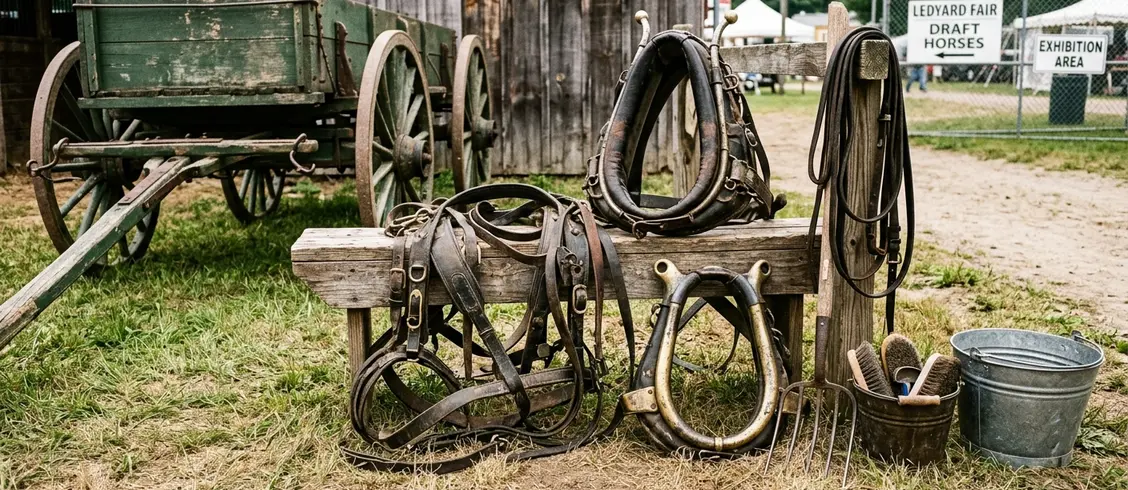
The Free for All operates as an open weight class that draws significant attention. Exhibitors must attend the 8:00 a.m. official weighing time to qualify. The competition mandates two go-arounds for each team—a true test of stamina and driver strategy. Judges strictly enforce Eastern Draft Horse Association standards throughout the event. All equine entries require a valid Coggins Inoculation before stepping foot on the grounds.
2. Oxen Pull
Spectators gather here to watch trained teams work against the drag. The appeal lies in the precision of the commands rather than sheer force. Officials maintain strict animal-handling boundaries in this ring. Rules include a complete prohibition on face whipping and strict limits on the use of plastic or fiberglass goad sticks.
3. Oxen Pull Youth Steer Driving Contest
This is an exceptional family-viewing event. It highlights youth handling skill and calm animal control over raw pulling power. Young exhibitors demonstrate years of practice as they navigate their steers through the course. In some youth divisions, written quiz scoring tied to FFA manual pages 5–17 supplements the physical driving score.
Entry Windows, Weigh-Ins, and Release Times to Watch
We structured the timing rules chronologically from Friday afternoon entries through Sunday evening releases to mirror a weekend visitor's natural progression through the fairgrounds.
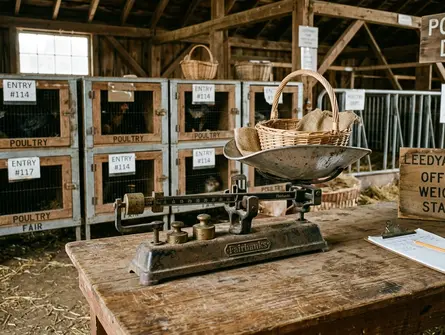
The weekend begins with poultry entries accepted during the Friday 3:00 to 8:00 p.m. entry window. Another official weighing window occurs Friday from 4:00 to 6:00 p.m., leading directly into a 6:15 p.m. start time for the associated event. Saturday features an 11:00 a.m. start time for the Three Pony Hitch Pull, followed by a 12:00 p.m. show start time for other classes. Finally, the Sunday 6:00 p.m. animal stay or exhibit release time marks the conclusion of the livestock commitments.
Release times matter deeply for both exhibitors and visitors. Exhibitors are required to keep animals on-site until the stated time. Because of this, spectators can often still view exhibits later in the fair weekend. Assuming all livestock classes follow a universal weekend release schedule rather than checking specific Sunday evening departure mandates is a common mistake.
Health Certificates and Handling Rules Before You Enter or Watch
Proper documentation keeps the barns safe and compliant. Equine entries require a Coggins Inoculation. Where required, exhibitors must provide Rabies Inoculation or rabies vaccine documentation. Birds need Pullorum Clean status, and exhibitors must present state testing certification within 12 months for poultry.
For full regulatory oversight, refer to the Connecticut Department of Agriculture animal health guidance.
Note: Health documentation rules strictly dictate eligibility at the initial check-in gate; missing paperwork cannot be submitted retroactively after the animal has entered the holding barns. Failing to verify state testing certification windows results in poultry being turned away at the Friday entry gate.
Who Oversees the Rings, Barns, and Rule Standards
We chose to list committee members and superintendents strictly by their functional titles rather than providing biographical backgrounds, keeping the focus on governance and rule enforcement. The team includes Jeanne Grenier, Charlie Rogers, Patrick Hourihan, Tony Schramm, John Beattie, Floyd E. Chesbro III, Mrs. Devon O'Keefe, and Mrs. Debbie Wilcox serving in various chairperson, superintendent, assistant, or contest chairman roles.
Authority is spread between local organizers and outside standards. The Ledyard Fair Association acts as the primary organizer, operating as a member organization of the Association of Connecticut Fairs. They rely on the Eastern Draft Horse Association and Connecticut Draft Pony for specific rule-standard references. Governance decisions are typically handled during the Association's Third Tuesday monthly meeting schedule.
Scope Notes: Dates, Rules, and What This Guide Cannot Confirm
Supplied fair materials include specific historical dates such as September 7, 2001; September 8, 2001; September 12, 2009; and Saturday, September 11. Readers should verify the current-year fair program before relying on these dates for planning.
Chair assignments, entry windows, health requirements, and class offerings can change by year. While this guide outlines standard barn protocols, livestock entry capacities are strictly bound by available pen space, meaning historical schedules do not universally guarantee current-year class availability.
Summary: Check the premium book annually. Even familiar events in the Cy Anderson Fellowship Hall or the main pulling rings update their requirements to align with state agricultural standards.

Comments
No comments.
Write a Comment