Quick Nav
- Why Connecticut Fair Traditions Still Matter
- Criteria for Selection: What Makes a Tradition Worth Passing On
- 1. Walking the Animal Barns With Curiosity and Respect
- 2. Cheering for Youth Showmanship
- 3. Entering Something for a Blue Ribbon
- 4. Showing Up for Parade Day
- 5. Listening for the Tractors, Engines, and Pulling Events
- 6. Volunteering Before the Gates Open
Why Connecticut Fair Traditions Still Matter
The Ledyard Fair brings neighbors, families, exhibitors, and volunteers together for a traditional Connecticut fair experience. Passing these traditions forward requires more than just remembering them. It demands active participation. Whether you are walking the grounds of the Ledyard Fair Association or exploring other events listed on the Connecticut Department of Agriculture’s agricultural fairs page, the culture survives because people show up.
Families, exhibitors, volunteers, sponsors, vendors, and returning fairgoers all play a role in keeping the gates open year after year. We document these practices to ensure the next generation understands how to participate fully in their local fair.
Criteria for Selection: What Makes a Tradition Worth Passing On
We initially considered organizing traditions by historical age but rejected this approach because it prioritized nostalgia over active participation. Instead, we filtered for traditions that require people to keep showing up.
A tradition earns its place when it fosters intergenerational participation, connects directly to agriculture or local craft, relies on volunteer stewardship, and stays visible during fair week. Traditions tied to premium books, exhibits, contests, barn areas, and community volunteer work deserve special attention. They are the engine of the fair.
1. Walking the Animal Barns With Curiosity and Respect
The animal barns serve as living classrooms rather than quick photo stops. You smell the fresh pine shavings and sweet hay before you even step under the roof. Inside, cattle, goats, sheep, poultry, and rabbits rest in their pens.
Barn superintendents typically require animals to be penned, fed, and settled in the early morning, roughly between 6:00 and 8:00 AM, before public access begins. This early morning routine ensures the livestock are calm and ready for visitors.
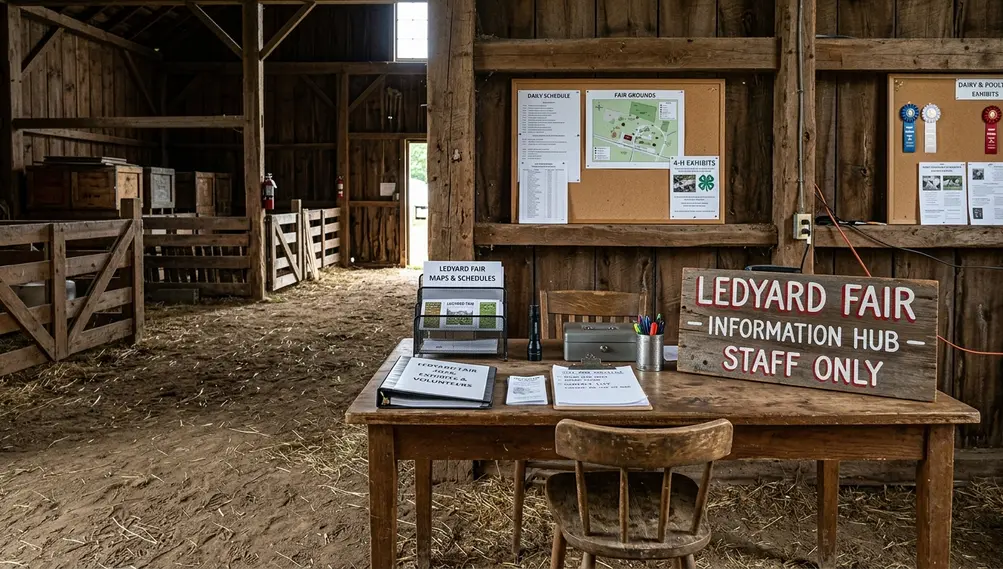
Quick Tip: Families can pass on proper barn etiquette by teaching children to ask before touching animals, avoid loud noises, keep food away from pens, and respect exhibitor workspaces. This ensures a safe environment for both the animals and the fairgoers.
2. Cheering for Youth Showmanship
Cheering for youth showmanship highlights preparation, handling skills, responsibility, and confidence. Showmanship preparation often involves four to six months of daily handling and halter-training prior to the late-summer fair season.
When you sit in the bleachers, watch the youth exhibitors and agricultural clubs closely. You will notice calm handling, clean presentation, judge interaction, and deep animal care knowledge. The ribbon is just the final step—a public acknowledgment of a months-long journey.
3. Entering Something for a Blue Ribbon
Entering something for a blue ribbon keeps the fair participatory instead of passive. Home arts, baking, vegetables, flowers, photography, crafts, preserves, and needlework fill the exhibit halls. A child’s first drawing, a jar of jam, a quilt square, a plate of cookies, a backyard-grown pumpkin, or a flower arrangement all belong here.
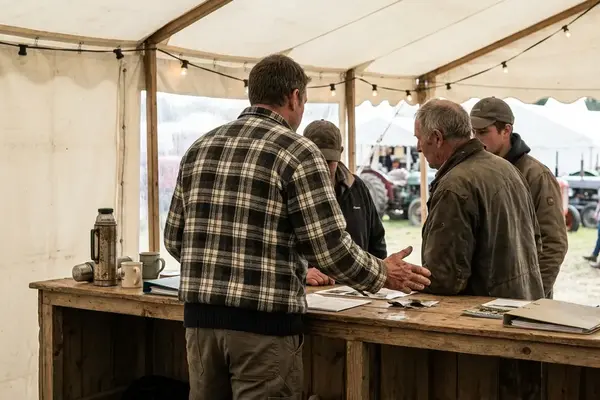
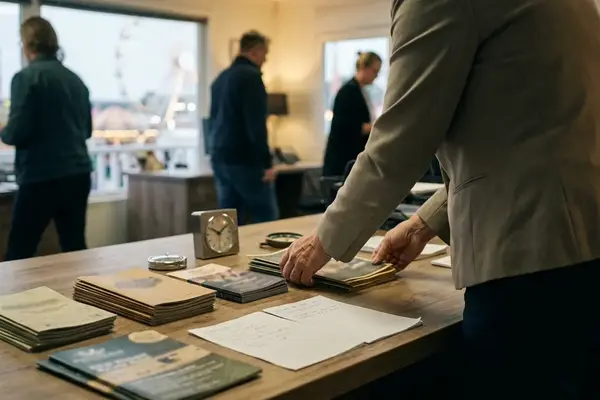
The physical premium book drop-off process is a critical transition from digital registration to physical tagging by department volunteers. Exhibit hall intake usually operates on a strict two-to-three-day window prior to opening day to allow for blind judging.
Note: Premium book rules and department categories are subject to annual revision by the fair committee, meaning a category available last year may be merged or removed in the current printing. Failure to check the current year's premium book resulting in disqualified entries due to updated size restrictions is a common, yet easily avoidable, mistake.
4. Showing Up for Parade Day
Parades serve as a public-facing tradition where farms, civic groups, fire companies, tractors, local businesses, and community organizations gather. Parade attendance teaches recognition of local service, town pride, and the connection between the fairgrounds and the wider community.
Arrive early, explain who the participants are to younger family members, thank the volunteers, and make the parade route an annual family meeting point. Keep in mind that you will see variation in parade participation based on local emergency service availability during fair weekend.
5. Listening for the Tractors, Engines, and Pulling Events
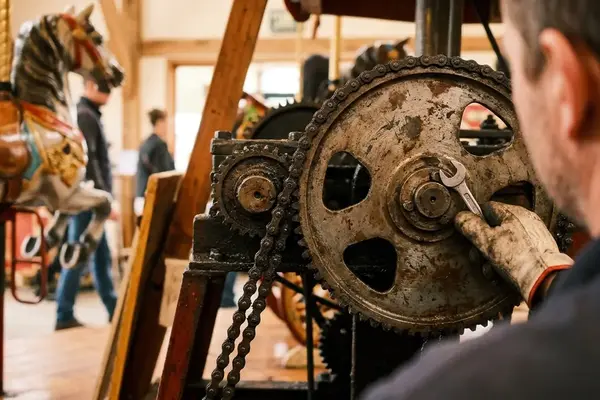
The sound and atmosphere of tractor pulls, engine displays, or equipment demonstrations create a deeply sensory tradition. Machinery represents farm work, mechanical skill, and rural ingenuity—the very foundation of the Association of Connecticut Fairs.
Decibel levels near the pulling track can exceed 90 dB during modified tractor runs, which means ear protection is a good idea for younger children. Listening to the engines roar connects modern fairgoers to the mechanical heartbeat of agricultural history.
6. Volunteering Before the Gates Open
The volunteer timeline highlights the invisible work required to host a community event. We map out the pre-fair grounds preparation rather than just day-of ticket taking to show the true scale of the effort.
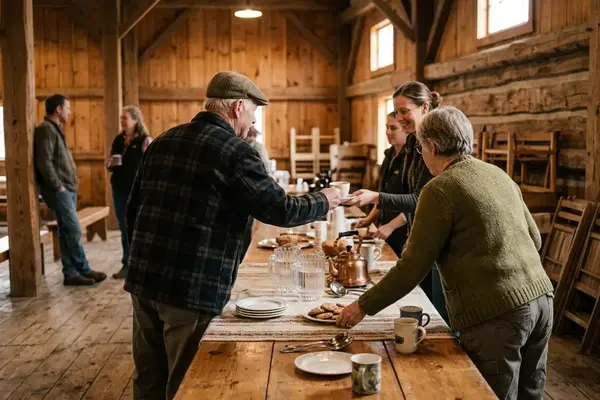
Pre-fair setup crews typically begin marking vendor spaces and erecting temporary snow fencing roughly two weeks before the gates open. Repeat visits showed how civic group food booths often rely on four-hour volunteer shift rotations to maintain continuous service during peak weekend attendance. Whether you are serving food near the Cy Anderson Fellowship Hall or hammering stakes in the lower lot, volunteering is the ultimate fair tradition.
Summary: Keeping Connecticut fair traditions alive requires stepping out of the role of a spectator and becoming a participant. Whether you spend months halter-training a calf, bake a pie for the exhibit hall, or simply teach your children how to respectfully walk through the animal barns, your actions ensure the fairgrounds remain a vibrant community gathering space for decades to come.


Comments
No comments.
Write a Comment