
Quick Nav
- Criteria for Selection
- 10 Classic Fair Attractions Families Look Forward To
- How to Turn the List Into an Easy Family Route
- What May Change From Year to Year
- The Best Fair Days Leave Room for a Little Wandering
Why Classic Fair Attractions Still Matter
The smell of fried dough hits you right at the gate. You hear the distant hum of a tractor pull. Now comes the hard part: deciding where to go first. Balancing the immediate demands of kids, the pacing needs of grandparents, and the universal desire for food requires a solid plan.
From repeat visits, arriving between 9:00 AM and 10:30 AM typically avoids the peak midday entry queues at the gates. Getting inside early gives you a head start on the day. This guide focuses on sensory pacing and family stamina rather than simply highlighting the largest or loudest attractions. A successful visit to the Ledyard Fair hinges on building a day that feels familiar, relaxed, and memorable for everyone in your group.
Criteria for Selection: What Makes an Attraction a Family Favorite
We initially considered ranking attractions by sheer foot traffic, but discarded that approach because it ignores the quieter, culturally significant agricultural exhibits that define the fair's rhythm. Instead, these selections prioritize low planning barriers and repeat-visit appeal. They are broadly enjoyable across ages and easy to understand.
Families with young children typically plan for a 3 to 4-hour continuous dwell time before needing a major break or departure. Knowing this limitation shapes how we evaluate a good attraction. A worthwhile stop offers educational value, photo-worthy moments, and usefulness for building a logical walking route. This framework reflects the practical needs of families, exhibitors, vendors, volunteers, sponsors, local residents, and visitors traveling the Association of Connecticut Fairs circuit.
10 Classic Fair Attractions Families Look Forward To
I grouped these items to deliberately alternate high-stimulation areas, like the midway, with low-stimulation zones, like the home arts exhibits inside the Cy Anderson Fellowship Hall. This reflects a realistic family walking path.
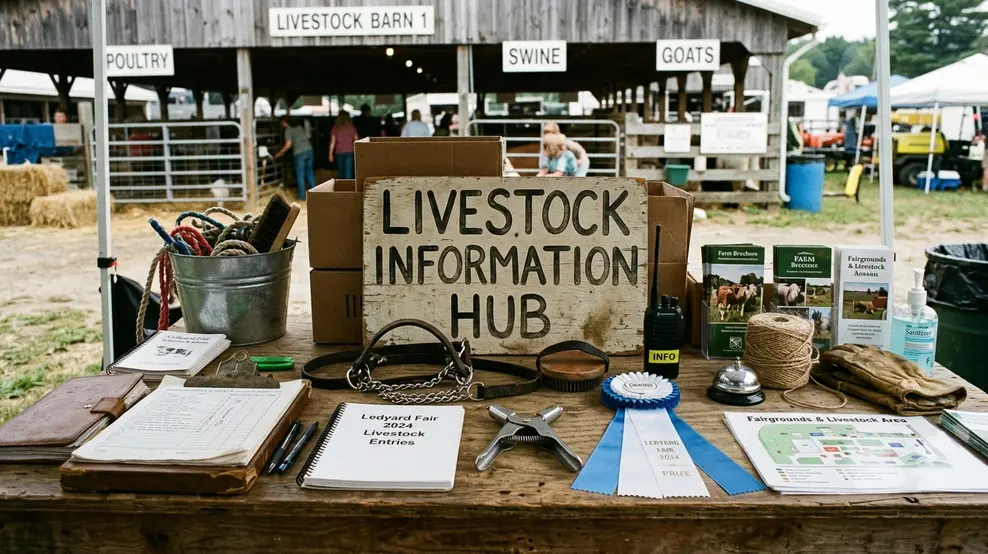
1. Livestock Barns and Animal Encounters
Seeing cattle, goats, sheep, and poultry up close anchors the traditional fair experience. These barns offer a direct connection to local agriculture. Practice good barn etiquette by using quiet voices and moving slowly around the pens. Exhibitors welcome polite questions about their animals, their daily care routines, and their specific breeds.
2. Agricultural Competitions and Show Rings
Show rings transform everyday farm work into a compelling spectator event. Watching the judging, handling, grooming, and presentation captivates both kids and adults. Morning show rings often begin judging promptly at 8:30 AM. Grab a seat in the bleachers early to watch the handlers prepare.
3. Tractor, Farm Equipment, and Working Displays
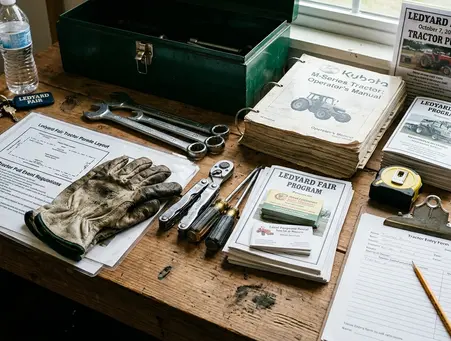
The visual appeal of massive tractors, wooden wagons, and antique equipment draws crowds every year. These working displays connect directly to the fair's agricultural identity. Kids love comparing the size of the tires to their own height, while adults appreciate the mechanical history on display.
4. Giant Pumpkins and Produce Weigh-Offs
Nothing communicates the harvest season quite like a pumpkin the size of a small car. The produce scales offer a tangible look at the results of a long growing season. It provides an easy, low-stress photo opportunity for families.
5. Home Arts and Baking Exhibits
Stepping into the exhibit halls provides an immediate break from the sun and noise. Viewing the quilts, canned goods, and baked items offers a quiet, visually engaging experience. It highlights the domestic skills that remain a core part of the community.
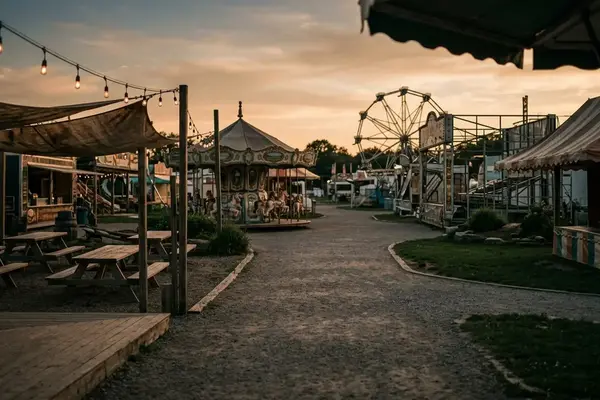
6. The Midway and Classic Rides
The midway delivers the high-energy thrills that older kids and teenagers expect. Flashing lights, spinning rides, and carnival games create a distinct atmosphere. Save this area for later in your visit when you need a burst of excitement.
7. Draft Horse and Oxen Pulls
Watching teams of draft animals move massive concrete blocks demonstrates incredible power and teamwork. The silent communication between the driver and the team is fascinating to observe. These events usually offer shaded seating nearby.
8. Local Food Vendor Row
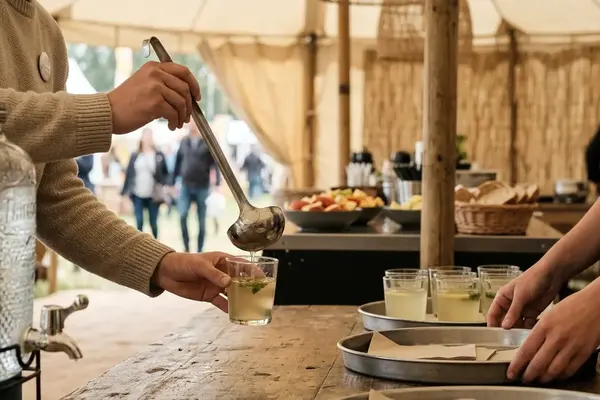
Fair food is an attraction in its own right. From baked potatoes to local dairy ice cream, the food tents serve as central gathering points. Eating together forces a natural pause in the day's schedule.
9. Live Music and Community Stages
Local bands, dance troupes, and acoustic performers provide a steady soundtrack to the fairgrounds. The community stage area serves as an excellent designated meeting spot if your group splits up.
10. Educational Agricultural Demonstrations
Sheep shearing, spinning, and blacksmithing demonstrations turn historical chores into live entertainment. These scheduled events give families a specific destination to aim for during their afternoon wandering.
How to Turn the List Into an Easy Family Route
Design your recommended route to tackle the furthest points of the fairgrounds first while energy is high. You can gradually loop back toward central food and entertainment tents as the day progresses. Midday meltdowns caused by tackling the high-stimulation midway before securing food or shaded rest are entirely preventable.
Visit the animals and exhibits early in the morning. Secure food before peak hunger hits your group. Save the rides for after you know your family's remaining energy level, and use the entertainment stages as a dedicated rest break. Scheduling roughly a 45-minute seated rest interval for every 2 hours of active walking helps prevent afternoon fatigue in mixed-age groups.
Quick Tip: Choose one must-do attraction per family member so the day feels shared rather than rushed.
When managing mixed-age groups, alternate your high-energy attractions with quieter stops. Follow a loud tractor pull with a quiet walk through the photography exhibits. This pacing keeps toddlers from getting overwhelmed and gives grandparents a chance to sit.
What May Change From Year to Year
Agricultural logistics, such as livestock hauling and arena footing, dictate the final schedule. Barn access varying heavily based on ambient temperature and specific livestock judging schedules is a reality of outdoor events. Livestock barns may restrict handling or close to the public entirely if ambient temperatures exceed 85 degrees Fahrenheit to ensure animal safety, aligning with guidelines from the Connecticut Department of Agriculture.
One catch: livestock exhibitors often begin loading out their animals by 3:00 PM on the final day of the fair, meaning late-arriving families will miss the primary barn encounters. Plan your arrival accordingly if the animal barns are your main priority.
Note: Rely on the current official fair schedule, grounds signage, and volunteer directions from the Ledyard Fair Association for final timing. Attractions, vendors, and entertainment times will shift based on weather and availability.
The Best Fair Days Leave Room for a Little Wandering
A rigid schedule rarely survives contact with a busy fairground. Unstructured wandering counterbalances the heavy logistical planning required to get your family out the door. Let the kids stop to watch a demonstration you didn't plan to see. Evening midway lights typically become fully visible and change the atmosphere not far from 7:15 PM during late summer fair dates, offering a completely different visual experience than the morning hours.
Summary: Start with agriculture, pace the day, check the schedule, and enjoy the familiar fair traditions.


Comments
No comments.
Write a Comment