
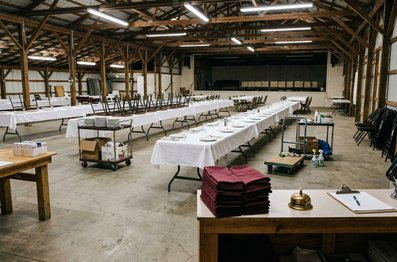
Fairgrounds & Visitor Info
Planning help for parking, facilities, accessibility, grounds features, and fair-day logistics.
Plan Your Visit
Use this homepage as your starting point for the Ledyard Fair: how to get around the fairgrounds, where to find competition guidance, what to expect from entertainment, and how to stay connected with the people who keep the fair running.
The best fair visits usually start before anyone reaches the gate. A family packing for an afternoon at the fair needs different details than a livestock exhibitor arriving early, and a volunteer checking in for a shift needs a clear sense of where to go first.
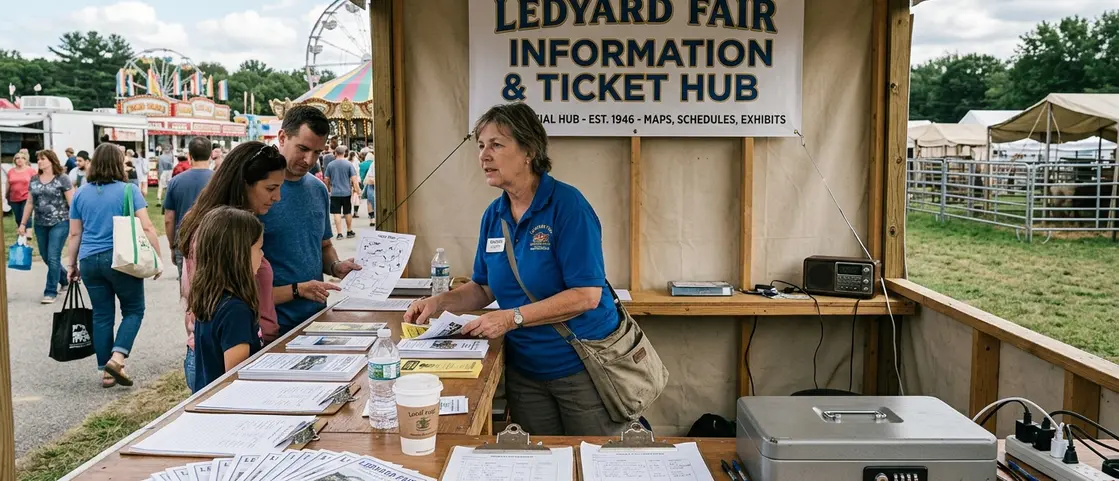
That is why we keep visitor information practical: parking notes, grounds guidance, accessibility considerations, family logistics, and the fair-day details that help people spend less time guessing. Repeat visits show the same pattern every year: people enjoy the fair more when the basics are easy to find.
Before fair weekend, start with Fairgrounds & Visitor Info if you need arrival, facilities, or access guidance. If you are bringing children, animals, equipment, or a group, check it earlier rather than on the ride over.
The Ledyard Fair is a community agricultural fair, but no two visitors use it the same way. Some come for animal shows, some for music and rides, some to support local traditions, and some to lend a hand behind the scenes.
Choose the section that matches your fair day.
Planning help for parking, facilities, accessibility, grounds features, and fair-day logistics.
Plan Your Visit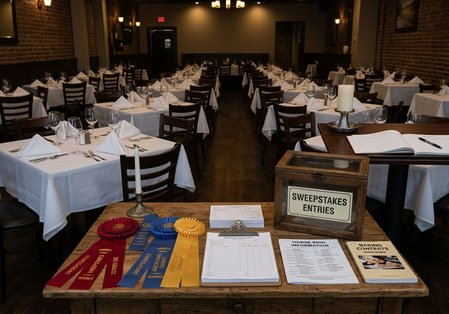
Guidance for livestock, horse ring topics, baking contests, sweepstakes, and exhibitor preparation.
View Competitions
Updates and planning context for rides, live music, arena events, family activities, and fair attractions.
Find Attractions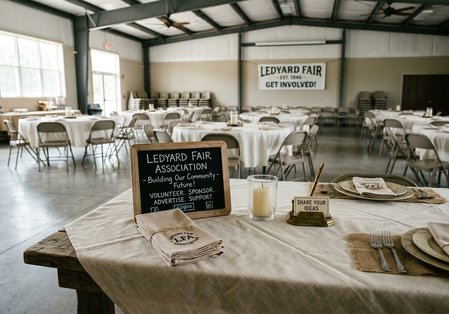
Ways local residents, nonprofits, sponsors, and businesses can help sustain the fair community.
Support the Fair
Stories and updates tied to fair traditions, association work, Grange connections, and local history.
Explore Heritage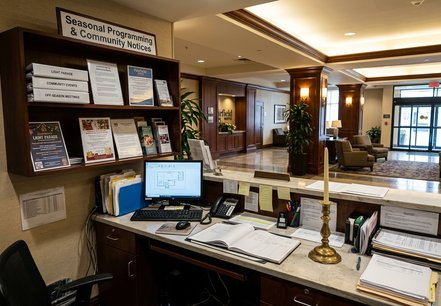
Guides and announcements for fair-associated events, including the Light Parade and off-season gatherings.
See EventsA common approach is to wait until fair week, ask around, and hope the right person has the right answer. That works until it does not: a missing form, a booth supply you did not pack, or an arrival question that would have been simple two days earlier.
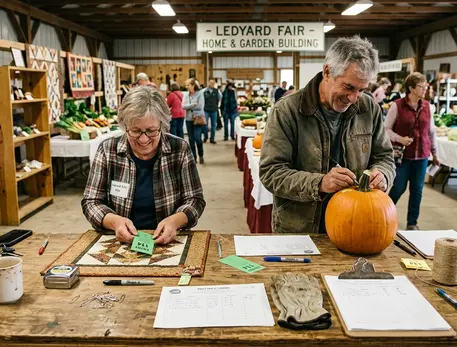
A better approach is to match your role to the right preparation path. Agricultural competitors can begin with department guidance and fair competition context. Vendors can review booth readiness and application expectations. Volunteers can look at the kinds of support that make the weekend run smoothly.
Because fair details can change as departments finalize entries and schedules, we treat this site as a practical planning hub rather than a printed rulebook. When a role depends on timing, forms, or fair association instructions, check the relevant section and use the contact path if something needs confirmation.
Start with agricultural guidance, then use specific resources like the animal shows and livestock pulls guide when you need event-focused context.
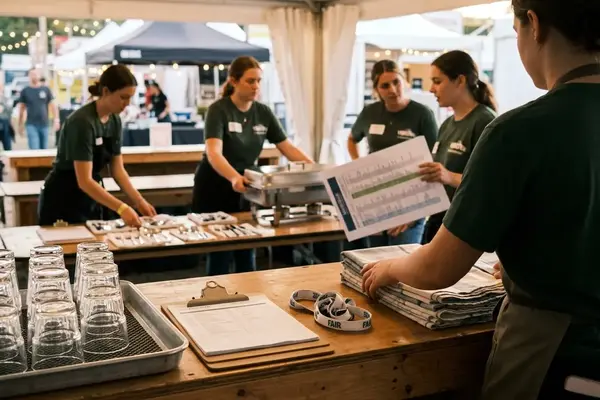
Volunteer work is practical, local, and hands-on. If you are new to fair support, the volunteering guide is a good first stop.
Good fair information comes from the work itself: setting up, guiding visitors, preparing exhibitors, coordinating volunteers, preserving traditions, and answering the questions that come up every season.

Our coverage is shaped by Sarah McAllister on visitor experience, Mark Reynolds on agricultural programs, Leila Haddad on vendor relations, Carlos Rivera on entertainment planning, Bethany Pierce on volunteer engagement, and Peter Wainwright on fair heritage communications.
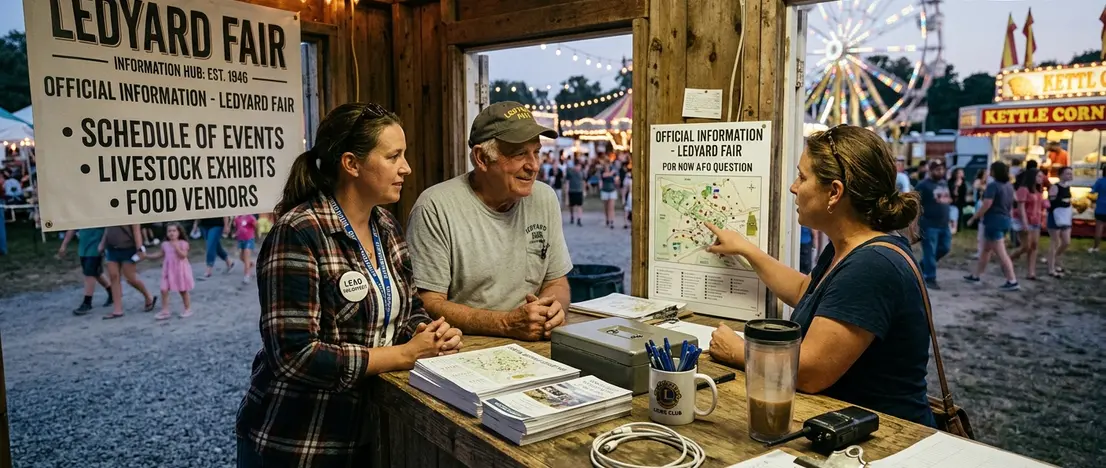
Ready to get involved or plan your visit? Start with the section that fits your role, then reach out through the fair if you need help with a specific question.
Contact the Ledyard Fair