Why Local Fair Volunteering Is Bigger Than Fair Week
A local agricultural fair does not appear in a field by accident.
Before the gates open, someone has checked schedules, answered advertiser questions, sorted rules, moved tables, confirmed signs, reviewed catalog copy, and reminded a neighbor where to park. During fair week, someone greets families, helps exhibitors find the right area, points visitors toward food or restrooms, and keeps small problems from becoming loud ones.
That is the real volunteer job: keeping the fair understandable.
The Ledyard Fair Association, as the organizing body, coordinates those moving pieces across an 11-month planning cycle. Fair week may be the public face, but the quieter months carry the weight. Promotion, setup, catalog preparation, exhibitor communication, sponsor support, and cleanup all need steady hands.
Support is not limited to physical labor, either. Advertisers keep the fair visible. Sponsors help cover real event needs. Catalog contributors help fairgoers and exhibitors prepare. Civic groups bring people, trust, and local reach. If you care about the fair but cannot lift fencing or stand all afternoon, there is still a useful place for you.
Summary: The best volunteer role is not always the most visible one. It is the role you can do reliably, with the right amount of direction, at the right point in the fair cycle.
Start at the Monthly Meeting Before Picking a Role
The simplest way to understand current volunteer needs is to attend a Ledyard Fair Association meeting.
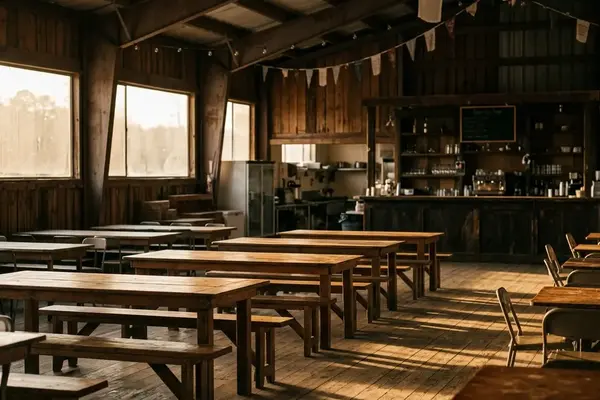
Meetings are held on the Third Tuesday of the month at Morgan Barn, the official meeting location. Plan for 60 to 90 minutes. That is usually enough time to hear committee updates, understand what is urgent, and ask where a new helper can fit without guessing.
What a newcomer should expect
Expect introductions first. Then comes the working part: planning updates, committee needs, fair-week gaps, setup questions, and the small details that do not always make sense on a form. You may hear about catalog timing, grounds preparation, exhibitor needs, volunteer shifts, or sponsor follow-up.
I usually tell new volunteers to listen for two things: who needs help soon, and who will supervise the work.
That second piece matters. A clear supervisor turns a nervous first shift into a manageable one.
Why the meeting works better than guessing
A digital sign-up can collect a name. A meeting can match a person.
Someone who enjoys talking with visitors may be right for an information area. Someone who prefers quiet tasks may be better suited to proofreading catalog listings or organizing advertiser details. Someone with limited mobility may still handle phone calls, packet preparation, or check-in support. The meeting makes those distinctions easier.
Note: Do not assume every task needs the same stamina, schedule, or comfort with crowds. Ask before committing.
Fair-Week Roles for First-Time Volunteers
Fair week has a rhythm you can feel in your shoes. Gravel underfoot. Radios crackling. A family asking where the animals are. A line forming faster than expected.
First-time volunteers do best when the job has edges. Two- to 4-hour shift blocks work well because they give people a clear start and finish, especially during high-traffic periods.
Good starter roles
Greeting visitors at an entrance or information point
Answering basic questions from fairgoers
Helping lines move in an orderly way
Directing visitors toward schedules, restrooms, food, or exhibit areas
Assisting with setup before the fair opens
Helping with cleanup after an activity or at the end of the day
These jobs suit families, retirees, students, civic groups, and people who only have a small window of time. They do not require deep fair history. They do require attention.
Show up on time. Wear practical shoes. Follow instructions. Stay friendly when visitors are confused. Ask for help before improvising.
Reliability beats expertise in most first-time roles.
Public-facing or behind-the-scenes
Some volunteers enjoy the front line. They like greeting people, answering repeat questions, and keeping the mood calm.
Others would rather stack materials, check supplies, sort signs, or clean up after a rush. Both types help the fair. The mistake is pretending they are the same job.
Helping Exhibitors, Agricultural Areas, and Competitions
An agricultural fair depends on exhibitors and competitors as much as visitors. If those participants cannot find check-in, understand where to go, or get questions to the right person, the whole day gets harder.
New volunteers can help here, but the boundaries matter.
Useful support without overstepping
Checking people in where a coordinator has provided instructions
Directing exhibitors to the correct area
Keeping walkways and tables orderly
Carrying materials when asked
Relaying questions to experienced coordinators
Helping participants find posted rules or schedules
Animal, livestock, food, recipe, and competition areas may involve rules, safety concerns, judging procedures, or experienced supervision. A new volunteer should not make decisions in those spaces without direction.
One caveat: assigning a first-time volunteer to a highly specialized livestock area without prior agricultural experience can create confusion and safety risks. Ask for the coordinator before answering technical questions.
This is not about keeping people away. It is about protecting the exhibitor, the animal, the judge, the visitor, and the volunteer.
Support the Fair Through the Ledyard Fair Catalog
The fair catalog is not just a printed handout. It is a planning tool.
Fairgoers use it to understand schedules. Exhibitors use it to review rules. Families may look for recipes, competition details, or event timing before they arrive. Advertisers use it to stay visible inside a community tradition.
That makes catalog work a good fit for detail-oriented volunteers.
Where catalog helpers add value
Gathering updated information from committee leads
Checking listings for consistency
Organizing advertiser names and materials
Proofreading schedules, recipes, and rules
Helping distribute copies before or during the fair
Explaining placement opportunities to local businesses
Catalog advertising needs lead time. A 6- to 8-week window for ad copy collection gives volunteers room to contact businesses, receive materials, check details, and avoid last-minute errors near the print deadline.
Christina Carrington serves as the advertising coordinator in the context of catalog advertising and advertiser support. If your best skill is careful follow-up, this is one of the most practical places to help.
Quick Tip: How well catalog advertising outreach works depends heavily on whether a volunteer contacts local businesses during their peak operational hours or during slower periods. Ask when a shop owner is most likely to have five calm minutes.
How Sponsors and Community Partners Can Help
Volunteering can come from an organization, not just an individual.
A partner may contribute money, promotion, people, equipment, services, or local introductions. The useful question is not whether the support looks like a classic volunteer shift. The useful question is whether it helps the fair serve the community.
Civic groups and business advertisers
The Ledyard Lions Club is a good example of civic support in this setting. A local service group brings more than hands. It brings visibility, community trust, and a network of people who already understand local events.
Chelsea Groton Bank is a useful example of a corporate advertiser. Business advertisers help connect the fair to the local economy while supporting the communication pieces that keep the event organized.
Those are different lanes. Both matter.
A civic group may be best suited to service coverage, volunteer recruitment, or community promotion. A business may be better positioned for catalog advertising, sponsorship, or customer-facing visibility. A school group, church group, club, or workplace team may be able to provide people for a defined shift.
Match Your Time, Skills, and Comfort Level to the Right Job
Start with capacity, not enthusiasm.
Enthusiasm gets people to say yes. Capacity gets them through the shift.
A practical matching framework
One-hour helper: Good for delivery, setup support, distributing materials, or a single small task.
Half-day volunteer: Better for fair-week shifts, information areas, cleanup periods, or steady visitor support.
Committee participant: A fit for someone who can attend meetings and carry work between them.
Advertiser contact: Best for someone comfortable with follow-up, details, and local business conversations.
Sponsor representative: Useful when an organization wants one person to coordinate its support.
Setup crew member: Good for practical helpers who can follow site instructions and handle physical tasks.
Cleanup helper: Ideal for people who can work after crowds thin out and stay focused when everyone is tired.
Year-round planner: Best for steady volunteers who like structure, calendars, and committee work.
Questions to ask before saying yes
How long is the shift?
Is the task public-facing?
Who supervises the work?
Are there age requirements?
Does the job involve lifting, standing, heat, weather, or walking?
Will training happen before the shift or when I arrive?
What should I do if I do not know the answer to a visitor question?
Quick Tip: If you are unsure, start with a defined shift or a monthly meeting visit. Avoid open-ended responsibility until you understand the pace of the fair.
Check Current Dates, Places, and Needs
Fair needs shift from year to year.
Historical schedules help show the pattern of community planning. For example, past Ledyard Fair dates included September 10–12, 2010. That kind of context is useful, but it should not send anyone straight to the grounds with outdated assumptions.
Historical dates and past volunteer needs do not lock in the upcoming season; verify current requirements with the association before arriving.
This matters for meetings, too. Morgan Barn is the official meeting location for the Third Tuesday monthly meetings, but a specific work session, committee task, or event preparation day may have its own instructions. If someone mentions Cy Anderson Fellowship Hall or another familiar community space, confirm the exact purpose, time, and contact person before you go.
Three Good First Steps
Do not start by asking for every possible role. That creates noise.
Pick the lane that fits your next action.
For general volunteering: Attend a Ledyard Fair Association meeting on the Third Tuesday at Morgan Barn and ask where new help is needed now.
For catalog advertising: Ask for Christina Carrington in the context of advertiser support, ad materials, and catalog placement questions.
For sponsorship or group support: Have one representative contact the Ledyard Fair Association with the type of help your organization can offer.
A fair runs on many small yeses. One person covers a gate. One advertiser sends copy on time. One sponsor helps with a cost the public may never notice. One retiree answers the same question kindly for two hours.
That is how the fair holds together.
Summary: Choose a role you can finish well, confirm the current need, and let the Ledyard Fair Association place your help where it will do the most good.
Citations
Ledyard Fair Association meeting details: Third Tuesday monthly meetings at Morgan Barn, with typical meeting length of 60 to 90 minutes.
Ledyard Fair planning context: 11-month planning cycle, fair-week shift planning, catalog advertising lead time, and historical date reference of September 10–12, 2010.




Comments
No comments.
Write a Comment