How Seasonal Events Keep Fair Communities Connected Year-Round
A Fair Community Does Not Go Quiet After Fair Week
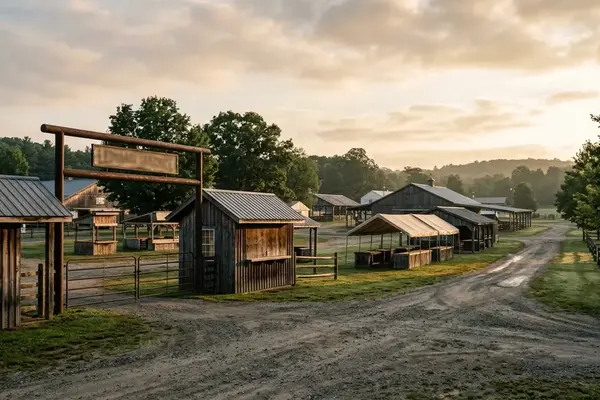
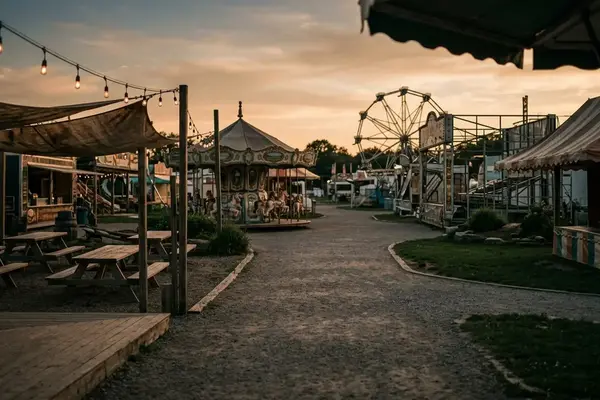
The fairgrounds get quieter after the gates close, but the community does not disappear. At a community agricultural fair like the Ledyard Fair in Ledyard, Connecticut, the real work stretches across the calendar: a phone call to an exhibitor, a cleanup day after rough weather, a sponsor check-in, a volunteer who finally says yes because someone asked early enough.
That is the first principle I use when thinking about seasonal fair events. Fair week is the visible part. The relationship work happens before and after it.
The fair is a network, not a weekend
Fairgoers come for food, rides, animals, exhibits, and familiar faces. Exhibitors come because the agricultural categories mean something. Volunteers come because someone made the work feel manageable. Vendors and sponsors come back when communication feels steady and respectful.
Seasonal gatherings give each group a point of contact before the pressure rises. They do not need to be large. In fact, the best off-season touchpoints often feel ordinary: a grounds conversation, a committee meeting, a reminder about entry preparation, a post on official channels that answers the question people were already asking.
The Ledyard Fair Association works in a setting where local trust matters. This is not a generic festival model that can be copied from anywhere. It is a Connecticut agricultural fair with neighbors, families, youth exhibitors, department volunteers, and community partners who remember how they were treated last year.
What seasonal contact should do
A seasonal event should make the next step easier. That sounds plain because it is.
Help exhibitors understand what to prepare.
Help volunteers see where they can serve without overcommitting.
Help sponsors connect support to visible community value.
Help families keep fair dates, traditions, and entry deadlines in view.
Help organizers hear practical concerns before fair week crowds arrive.
Summary: A fair community stays strong when contact is useful, local, and paced for real volunteer capacity.
Winter and Spring Events Build the Next Fair Early
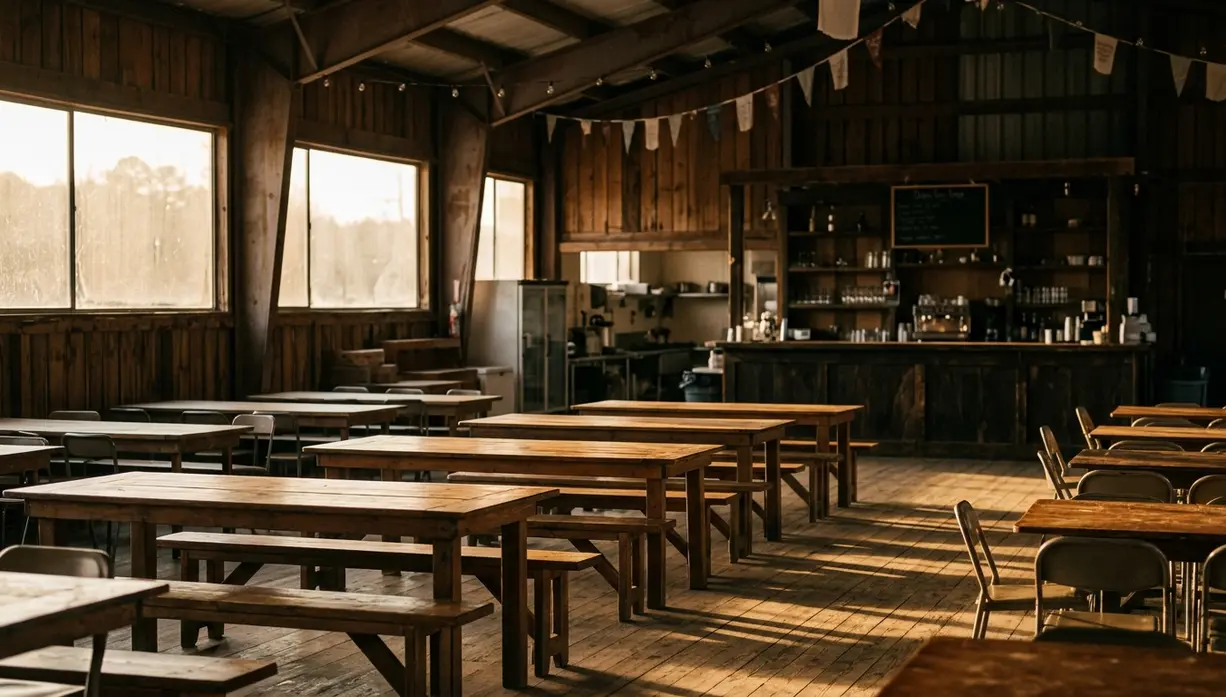
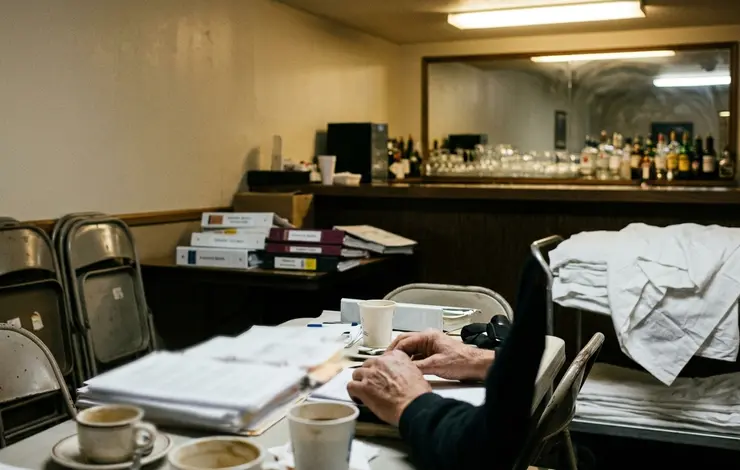
Winter planning has a different sound to it. Folding chairs scrape across meeting room floors. Someone asks about a gate latch. Someone else has the premium book draft, a list of exhibitors to call, and a reminder that the agricultural calendar will not wait for warm weather.
That is where the next fair begins.
Start with the grounds and the calendar
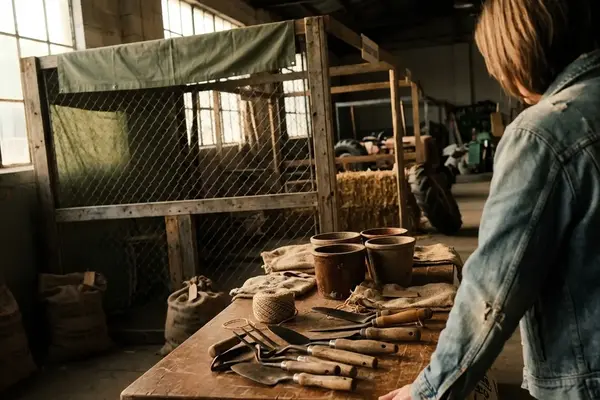
In practical terms, winter and spring work often starts with maintenance, cleanup, and category planning. The mid-February to late April window is a sensible time for initial grounds assessment and debris clearing, especially after Connecticut winter weather has had its say.
Entry categories and judging criteria need their own runway. Finalizing agricultural categories roughly 45 to 60 days before the premium book release gives department leaders time to check wording, confirm expectations, and avoid rushed decisions that confuse exhibitors later.
That timing matters. Families planning garden entries, livestock projects, craft work, or youth exhibits need more than a cheerful reminder the week before entries close. They need to know what counts, what changed, and where to ask questions.
Use small gatherings with a clear job
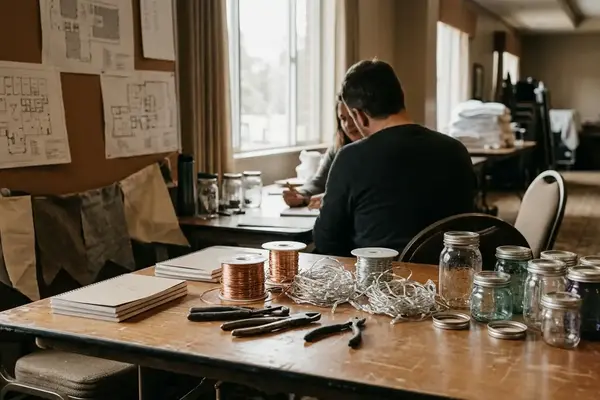
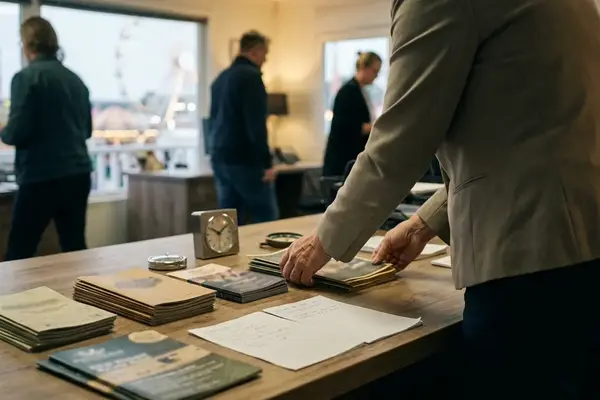
Cleanup days work when the task list is specific. Committee meetings work when people leave knowing who owns each next step. Sponsor check-ins work when they connect support to actual fair needs, not vague goodwill.
One planning lesson shows up again and again in nonprofit fair operations: a full calendar can look impressive and still drain the people carrying it. Organizers may consider monthly indoor vendor markets or frequent winter gatherings, then scale back when volunteer capacity, heating, setup, and promotion make the schedule too heavy. That is not a lack of ambition. It is stewardship.
The better question is not, “How many off-season events can we add?” The better question is, “Which touchpoints help people know where they fit before the busy season arrives?”
What I would prioritize first
One early grounds walk with a written repair list.
One exhibitor communication push tied to premium book preparation.
One volunteer outreach message that names real jobs, not just general need.
One sponsor conversation focused on fair-week visibility and community benefit.
Keep it useful. Keep it doable.
Summer Touchpoints Turn Interest Into Participation
Summer changes the temperature of everything. Families stop saying, “We should go this year,” and start checking dates. Exhibitors review requirements. Volunteers compare shifts against work schedules, vacations, and school sports. Vendors want logistics, not poetry.
This is the season when interest becomes participation.
What people need before they commit
Most people are willing to help when the request is clear. “Can you volunteer?” is soft. “Can you cover the Saturday afternoon admissions shift?” gives a person something to answer.
The same applies to exhibitors and vendors. General excitement has its place, but summer communication should lean toward deadlines, instructions, and readiness updates. Registration reminders, livestock and agricultural preparation notes, sponsor visibility announcements, and fairground readiness updates all keep people connected without making them hunt for basic information.
For livestock exhibitors and vendors, the final stretch gets precise. The two-to-three-week period before opening day is a practical window for final livestock health certificate submissions and vendor logistics confirmation. At that point, public communication should leave little room for guessing.
Make official channels the habit
During our visit to fair planning conversations, the strongest organizers did not rely on one big announcement. They repeated the right message at the right time, especially when a deadline affected safety, entries, or setup.
Quick Tip: Watch official Ledyard Fair channels for deadlines, volunteer opportunities, exhibitor instructions, and any fairground updates before making plans.
That habit protects everyone. It helps families prepare. It helps volunteers arrive where they are needed. It helps vendors bring the right setup materials. It helps department heads spend less time answering the same question at the busiest possible moment.
Youth, Agriculture, and Family Traditions Keep the Circle Moving
A youth exhibitor does not learn responsibility only in the judging ring. The learning starts earlier, usually at home, in the barn, in the garden, at the kitchen table, or beside an adult who says, “Check it again.”
That is why seasonal fair involvement matters for agricultural families.
Preparation is part of the exhibit
Animal care, garden entries, craft work, and project records all reward steady preparation. A young exhibitor who handles an animal daily, tends a plant through dry weather, or finishes a handmade item with care is already practicing the discipline the fair later recognizes.
Department superintendents can strengthen that process by shaping youth categories with help from local agricultural educators. Judging criteria should emphasize hands-on care and project progression rather than only a polished final appearance. That approach gives families a better signal about what the fair values.
The national context supports this connection. USDA NIFA 4-H Positive Youth Development describes 4-H as positive youth development connected to agricultural and civic learning. For a local fair, that idea becomes concrete when a child explains how they fed, watered, planted, repaired, practiced, or improved.
Family mentoring keeps tradition practical
Tradition is not just nostalgia. It is a transfer of skill.
A grandparent shows how to wash show equipment. A parent reviews entry rules. An older sibling explains what the judge may ask. A neighbor lends a crate, a brush, or a calming word. These small exchanges keep agricultural identity alive because they turn the fair from a spectator event into a working community.
Seasonal events can support that by offering reminders early enough for families to act. A spring note about garden entries. A summer livestock preparation reminder. A volunteer invitation that welcomes parents who already spend time near the barns or exhibit halls.
That is how the circle keeps moving.
Fall Follow-Through Turns Memories Into Next Year’s Momentum
After fair week, everyone is tired. That is exactly why follow-through matters.
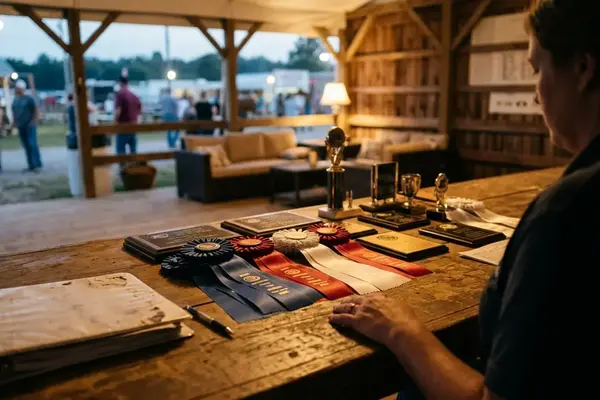
The thank-you note sent while the memory is fresh lands differently than one sent months later. A photo recap helps families see themselves in the fair story. Exhibitor recognition tells participants that their preparation mattered. Sponsor appreciation connects support to real community presence. A volunteer note says, “We saw the work.”
Close the loop while details are still clear
The week or two immediately after the fair closes is the right time to collect vendor feedback forms and finalize repair lists. Not because every problem can be solved that fast. Because people still remember the exact corner where traffic backed up, the table that wobbled, the sign that confused visitors, or the category wording that needs attention.
Fall is also a natural time to invite new committee help. The fair is still visible in people’s minds, and the work can be described honestly. Instead of asking for a year-long mystery commitment, name the need: premium book review, grounds cleanup, sponsorship calls, youth department help, admissions support, exhibit setup, or post-fair records.
Recognition is operational, not decorative
People return where they feel seen. That is true for volunteers, exhibitors, vendors, sponsors, and families.
Recognition does not have to be fancy. It has to be timely and specific. “Thank you for helping with parking” is fine. “Thank you for staying late when the south lot backed up” is better. The second version tells the person their judgment mattered, not just their hours.
That is the kind of memory that becomes next year’s yes.
What Seasonal Events Can and Cannot Solve
Seasonal connection helps maintain fair community engagement, but it cannot carry the whole structure by itself. A fair still needs clear official updates, safe planning, current rules, and honest limits.
The limits are real
Weather changes plans. Volunteer availability shifts. Budgets tighten. Facilities need repairs. Animal health requirements can change. Regional livestock health quarantines or seasonal weather delays may affect agricultural participation. Scheduling conflicts can pull families in several directions at once.
One catch for Ledyard and other Connecticut fair communities is especially practical: off-season engagement depends on available winterized facilities on the grounds, which can push communication online during the coldest months. That does not weaken the community. It simply changes the tool.
A digital reminder may serve better than a poorly attended winter meeting.
A focused cleanup day may beat a crowded calendar of vague gatherings.
A clear exhibitor instruction may matter more than a broad promotional post.
A manageable volunteer schedule may prevent burnout better than constant recruitment.
Use seasonal events as support, not a substitute
Seasonal programming works best when it supports the fair’s official structure. It should point people toward current entry rules, confirmed deadlines, safety expectations, and reliable contacts.
It should not create side channels where outdated information travels faster than corrected guidance. It should not ask the same small group of volunteers to carry every idea. It should not promise what weather, facilities, animal health rules, or budgets may change.
The steady approach is simpler. Keep the community warm without burning out the people tending the fire. Give fairgoers, exhibitors, volunteers, vendors, sponsors, and families useful reasons to stay connected. Then, when fair week returns, they arrive not as strangers to an event, but as people who already know where they belong.


Comments
No comments.
Write a Comment