
Quick Nav
- More Than a Logo on the Fence
- What Sponsor Support Helps Cover
- Why Sponsoring a Fair Makes Sense for Local Businesses
- How Sponsors Strengthen Volunteers, Exhibitors, and Youth Participation
- What Sponsorship Can—and Cannot, Do Alone
- How Fairgoers Can Support the Sponsors Who Support the Fair
This guide starts with navigation because fair readers arrive with different jobs in mind. A parent may want to understand why a sponsor banner matters. A vendor may be checking where local recognition shows up. A volunteer may be wondering whether sponsor support changes the work on setup week.
Put plainly: sponsorship is not decoration. At a community agricultural fair, it is one of the practical ways neighbors help carry the cost and complexity of opening the gates.
More Than a Logo on the Fence
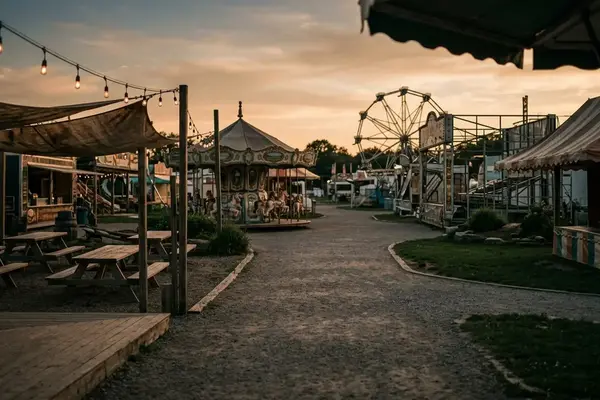
At the Ledyard Fair, sponsor support shows up in the parts of the fair most people pass without studying: the banner along the fence, the note in the program, the sign near an event area, the backing behind a youth activity, the logo on volunteer materials.
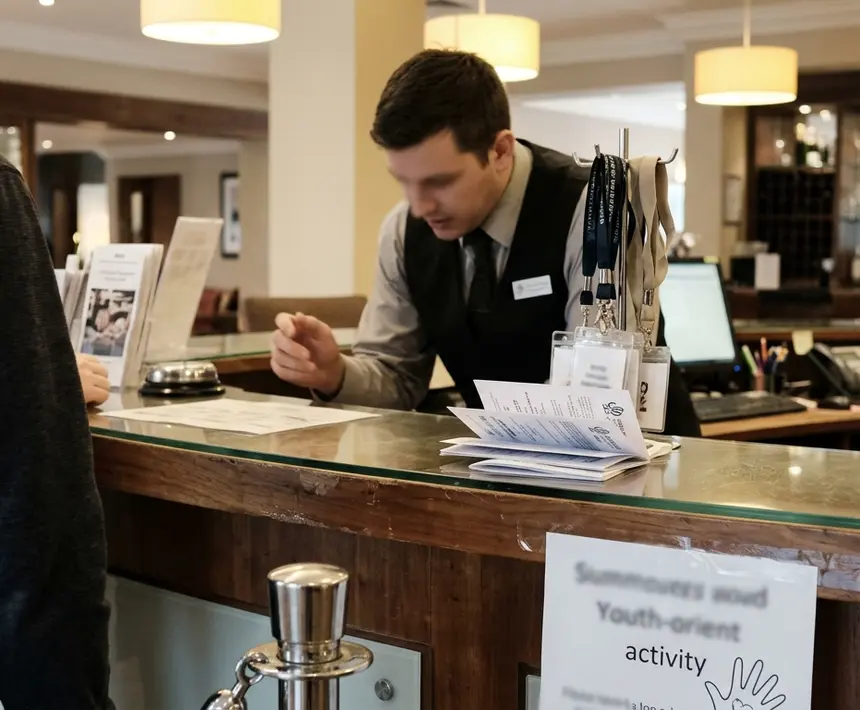
That visibility matters, but the sign is only the surface.
The real story sits underneath it. A local business, civic group, or family sponsor helps the Ledyard Fair Association, the organizing body, turn a field, hall, ring, booth line, and schedule into a working fairground. The public sees the fair after the pieces have been set. Volunteers see the pieces while they are still scattered.
Where fairgoers usually notice sponsor support
- Banners on perimeter fencing, often in practical sizes such as 3x5 feet or 4x8 feet.
- Program acknowledgments that help families connect names with local support.
- Event areas where contests, demonstrations, or entertainment need clear sponsorship recognition.
- Livestock spaces where agricultural participation stays visible to visitors.
- Volunteer materials, including shirts used during setup week.
- Family activities that depend on steady planning before anyone buys a ticket.
Sponsor logos are often printed on the back of roughly 150 to 200 volunteer t-shirts distributed during setup week. That is not just branding. It is a walking map of who helped get the fair ready.
Summary: The best sponsorships feel rooted in the fairground. They connect a local name to a real place, task, or activity people can see.
What Sponsor Support Helps Cover
Fair costs are not abstract. They arrive as invoices, deposits, order deadlines, rental schedules, and last-minute supply runs.
I think about sponsorship first through the lens of operations: what has to exist before a family can have a smooth visit? That question keeps the conversation honest.
The practical list
Sponsor support can help offset needs such as fairground preparation, directional signage, entertainment, exhibit support, ribbons, awards, safety-related logistics, and visitor services. None of those items is glamorous. All of them shape the day.
- Fairground preparation helps paths, activity areas, and public spaces function before gates open.
- Signage helps families find parking, barns, restrooms, competitions, and gathering points.
- Entertainment support helps keep the schedule moving for visitors who plan their trip around specific times.
- Exhibit support helps agricultural, craft, food, and garden entries look organized and respected.
- Ribbons and awards help recognize the effort behind entries that may have taken months to prepare.
- Visitor services help make the fair easier for families, seniors, exhibitors, and first-time guests.
Timing matters more than people realize
Ribbon orders for agricultural and craft competitions are typically finalized roughly 60 to 90 days before opening day. Portable sanitation and handwashing station rentals usually require a deposit around 4 to 6 months in advance.
That is why sponsor conversations cannot all wait until fair week. By then, many practical decisions have already been made.
Note: This article does not claim specific Ledyard Fair budget amounts. The point is simpler: sponsor support can ease real event costs without pretending that one contribution carries the whole fair.
Small sponsorships still count. They may not transform the entire budget, and they should not be described that way. But they can reduce pressure on admission, volunteer fundraising, or individual program costs. In a local fair setting, that kind of relief has value.
Why Sponsoring a Fair Makes Sense for Local Businesses
A fair sponsorship works best when the audience and the business make sense together.
That sounds obvious. It is the detail people skip.
A contractor, farm supplier, bank branch, insurance office, feed store, restaurant, repair shop, nursery, or family service provider may gain more from steady community recognition than from a short burst of generic advertising. The fair puts that name in front of families, residents, exhibitors, agricultural competitors, civic volunteers, vendors, and returning fair-circuit visitors who follow Association of CT Fairs events across the season.
Visibility builds by repetition
Fair visibility is not a single glance. It happens when someone parks, walks past the fence, checks the program, watches a class, waits near an event area, and notices the same local name tied to the fair experience.
During the Friday evening equipment pull or a busy weekend family stretch, a sponsor may reach different parts of the community in the same fair cycle. That repeated in-person exposure is hard to mimic from behind a screen.
Fit still matters
Sponsorships can miss the mark when the sponsor’s target customer does not align with the event or activity they fund. A local business should ask where recognition will appear, who will likely see it, and whether that setting matches the customers it actually serves.
That is not a reason to stay away. It is a reason to choose thoughtfully.
Quick Tip: If your business serves local families, homeowners, agricultural households, youth programs, or civic groups, ask which fair areas naturally put you near those visitors.
How Sponsors Strengthen Volunteers, Exhibitors, and Youth Participation
The fair feels local because people bring things to it.
They bring animals. They bring garden entries. They bring quilts, baked goods, canned goods, crafts, photographs, tractors, food service, booth displays, music, patience, and an unreasonable number of extension cords.
Sponsor support helps make that effort visible and organized. It can back awards, materials, exhibit areas, youth activities, volunteer supplies, or visitor-facing improvements that make participation feel worth the time.
The agricultural core needs care
A community fair is not just a weekend outing. It is one of the public places where livestock, garden, craft, food, and local skills still stand in front of neighbors. Children see a goat being handled. A visitor studies a blue ribbon on tomatoes. A family walks through a hall and realizes someone nearby still bakes, grows, sews, raises, restores, or builds.
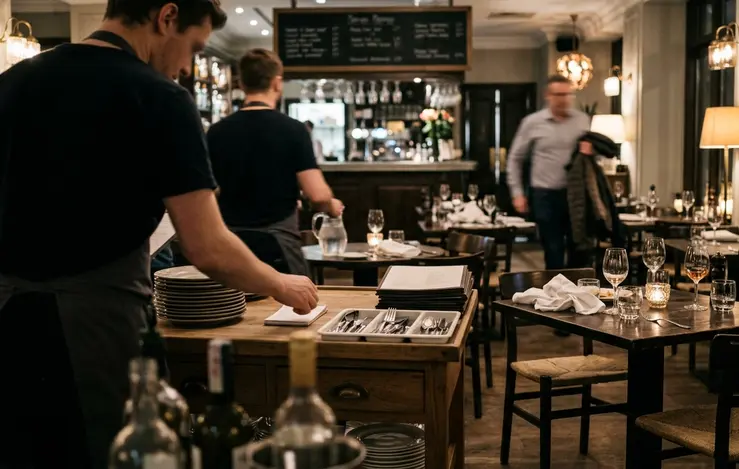
That visibility does not happen by accident.
Judging materials and display cages for small livestock are typically assembled in the 48 to 72 hours before the gates open. By that point, the public schedule may look calm on paper, but the fairground is all motion. Tables move. Signs go up. Volunteers check lists. Exhibitors ask where to unload. Someone finds the tape.
Recognition keeps people coming back
A ribbon is small. So is a printed sign. So is a clean check-in table.
But those details tell exhibitors and youth participants that their work matters. Sponsor support can help the fair recognize that effort in a visible way, especially in areas where young people are learning how to prepare, compete, speak with judges, and care for entries in public.
The same applies to volunteers. When sponsor backing helps provide shirts, materials, food support, or better organization, it respects the people who give their time before, during, and after the fair. Volunteers do not need fuss. They do need tools.
What Sponsorship Can—and Cannot, Do Alone
Sponsorship is important. It is not magic.
That distinction protects everyone: sponsors, fair leaders, volunteers, exhibitors, vendors, and fairgoers. Sponsor dollars can help secure infrastructure, materials, recognition, and services. They cannot replace the human work of setting up gates, checking entries, directing visitors, answering questions, cleaning spaces, solving problems, and staying late when the crowd thins.
The final 72 hours tell the truth
One catch is worth saying plainly: financial sponsorship cannot offset a critical shortage of setup volunteers. If the grounds crew lacks enough people during the final 72-hour preparation window, even fully funded exhibits may face delays or reduced footprints.
Weather can sharpen that problem. Volunteer turnout may change when setup days coincide with extreme late-summer heat or heavy rain. That is the kind of operational limit a sponsor check cannot fix by itself, especially when weather compresses the setup window.
What sponsors should not be promised
- Do not promise that sponsorship will automatically lower admission prices.
- Do not promise bigger attractions unless those plans are already approved and funded.
- Do not suggest that one season of support secures long-term stability.
- Do not treat sponsorship as a substitute for vendors, exhibitors, volunteers, or safe planning.
The fair works because many forms of participation overlap. A sponsor helps. A volunteer lifts. An exhibitor enters. A vendor prepares. A family attends. The Ledyard Fair needs the whole pattern.
Summary: Sponsorship strengthens the fair, but the fair still depends on people showing up with time, entries, equipment, skills, and care.
How Fairgoers Can Support the Sponsors Who Support the Fair
Fairgoers have more influence than they may think. The simplest support starts with noticing.
Read the signs. Look at the program acknowledgments. Stop by sponsor booths when they are present. If a business helped support a livestock area, youth activity, family event, or volunteer material, say thank you when you can.
Small actions after fair weekend
- Mention the fair when you visit a sponsor business during the off-season.
- Share sponsor-supported fair announcements when they help neighbors plan their visit.
- Consider local sponsors when you need services they provide.
- Tell a business owner that you noticed their support at the fairground.
- Encourage civic groups, employers, and family businesses to ask early about fair opportunities.
That last point matters. Sponsorship commitments for the upcoming season are typically finalized between late March and mid-June so recognition can be included in printed programs and related materials. If a business waits until opening week, the best-fit opportunities may already be closed.
For businesses asking about sponsorship
Start with fit, timing, and expectations. Ask where the recognition appears. Ask what deadlines affect banners, program listings, volunteer shirts, or event signage. Ask whether your support connects to a fair area that your customers will understand.
Also understand the difference between sponsorship recognition and advertising. Tax treatment can depend on how the payment is structured and what the sponsor receives in return, so businesses should review IRS guidance on qualified sponsorship payments or speak with a qualified adviser.
The best local sponsorships do not shout over the fair. They help the fair sound like itself: livestock in the ring, families in the hall, volunteers at the gate, kids checking entries, neighbors recognizing neighbors.
That is worth supporting now, before the fences are full and the program is already printed.

Comments
No comments.
Write a Comment