
Quick Nav
We initially considered a floating sidebar for navigation, but opted for a static, top-of-page list to ensure mobile users see the structural breakdown before scrolling past the introduction.
- Why Grange Heritage Still Matters at a Local Fair
- Where the Grange Fit Into Rural American Life
- Fair Traditions That Carry a Grange Imprint
- From Competition to Community Service
- How Visitors Can Spot Grange Heritage at the Fair
- What Grange Heritage Does Not Explain
- Keeping Heritage Useful, Not Frozen in Time
Why Grange Heritage Still Matters at a Local Fair
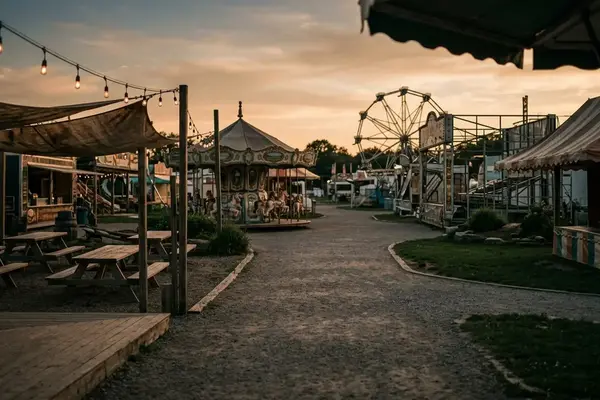
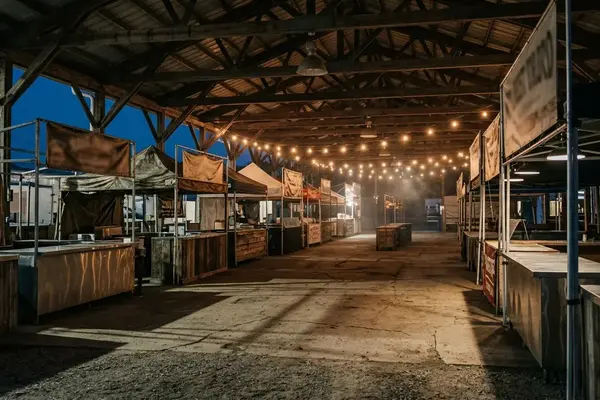
Walk onto the grounds of an agricultural fair early in the morning, and the sensory experience hits you immediately. You hear the low hum of livestock barns waking up. Vibrant produce displays sit meticulously arranged on wooden tables. Home arts entries line up alongside their respective ribbons, while volunteers direct the first waves of traffic toward the food booths.
Why do these events still feel like more than just weekend entertainment?
The answer lies in the logistical reality of community building. Setup for the home arts and produce displays typically requires two to three days of continuous volunteer coordination prior to opening day. That level of dedication does not materialize from a desire for simple amusement. It stems from a deep-rooted civic, educational, and agricultural character. Grange heritage serves as one important influence on this character, shaping how neighbors gather to share their labor and learn from one another.
Where the Grange Fit Into Rural American Life
To understand the fairgrounds today, you have to look at the rural gathering spaces of the past. The Grange—formally known as the National Grange of the Order of Patrons of Husbandry, grew as a rural fraternal and civic organization. Its foundation rested entirely on agriculture, education, cooperation, and community improvement.
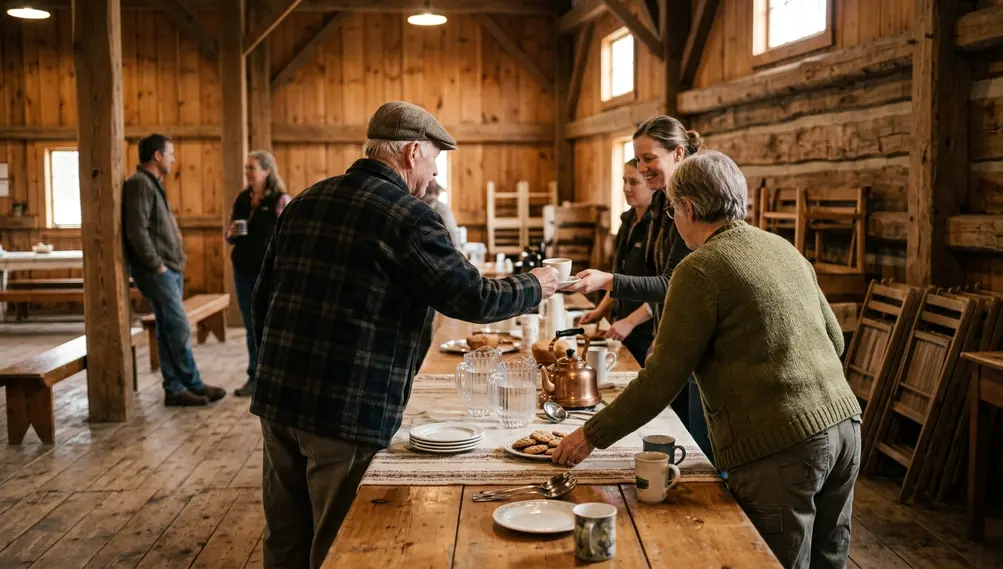
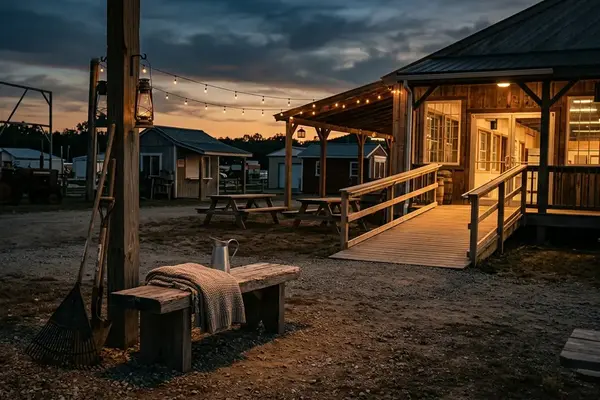
According to the official National Grange history, the organization provided a vital network for farming families. The Grange hall functioned as a highly practical rural gathering place. Communities used these halls for meetings, lectures, shared meals, debates, youth activities, and mutual aid.
Timing dictated much of this participation. Early rural civic meetings often ran from late October through March, aligning with the post-harvest window when agricultural families had the few hours required for evening travel and assembly. This seasonal rhythm established a culture of gathering that eventually spilled over into the late-summer and early-fall harvest exhibitions we recognize today.
Fair Traditions That Carry a Grange Imprint
You can see the direct imprint of Grange values in specific fair features. Judged agricultural exhibits, livestock handling, vegetable and flower entries, baking, sewing, canning, and practical demonstrations all reflect a commitment to shared knowledge.
Consider the judging process. Livestock judging rubrics evaluate animals across roughly 15 to 20 distinct physical and behavioral traits, a standardized evaluation method rooted in early agricultural improvement societies. This rigorous assessment turns private farm labor into a public classroom.
Quick Tip: Look closely at the ribbons hanging on the stalls and display cases. They represent far more than simple prizes. A ribbon serves as public recognition of skill, careful stewardship, and tangible improvement over time. Fair exhibits take the quiet, isolated work done in a garden, kitchen, or workshop and transform it into shared community learning.
From Competition to Community Service
Agricultural fairs master a difficult balancing act. They pit individual exhibitors against one another in competition, yet rely entirely on shared service to function. Exhibitors compete for premium ribbons, but volunteers make the fair possible.
A standard community fair weekend requires on the order of 120 to 150 distinct volunteer shifts covering gates, sanitation, and exhibit monitoring. This massive logistical lift reflects Grange-influenced values in daily operations. Committee work, booth staffing, cleanup, livestock area support, sponsor relationships, and hospitality for visitors all depend on a cooperative mindset.
A true community fair survives on repeated local participation. It requires families returning year after year to pull their weight, not just a single weekend of casual attendance.
How Visitors Can Spot Grange Heritage at the Fair
Firsthand experience suggests that visitors engage more deeply with fair history when they know exactly what to look for. We structured the visitor checklist by physical zones, such as barns and exhibition halls, rather than abstract themes, allowing families to spot heritage markers sequentially as they walk the grounds.
- Livestock Barns: These areas showcase animal husbandry and the generational transfer of agricultural knowledge.
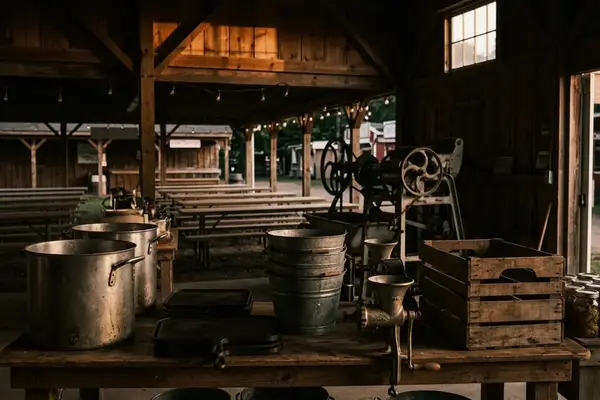
- Home Arts Displays: Look here for household skills, from quilting to preserving, demonstrating self-reliance.
- Garden Entries: Produce displays highlight cultivation techniques and regional soil stewardship.
- Educational Booths: Volunteer-run spaces and community meal traditions emphasize civic participation and mutual support.
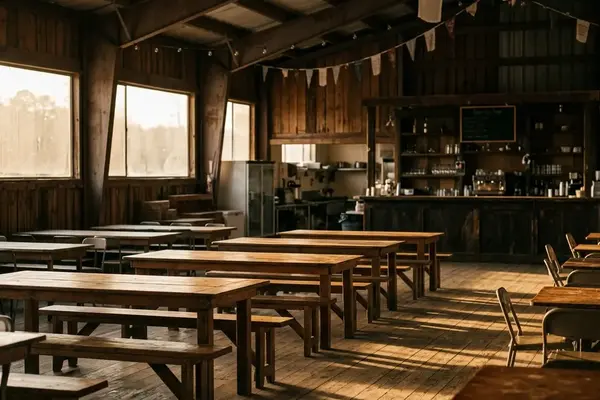
Parents can easily turn this into a family-friendly activity. As you walk through Cy Anderson Fellowship Hall or the main livestock tents, ask your children what specific skill, patience, or cooperation each exhibit represents.
What Grange Heritage Does Not Explain
Modern agricultural fairs are shaped by many influences beyond the Grange. Local fair associations, farm families, 4-H, FFA, state and local requirements, vendors, sponsors, entertainment trends, and changing community needs all play massive roles in how an event operates today.
Note: One catch: attempting to trace every modern fair rule to historical fraternal practices will fail, as state agricultural departments and modern insurance mandates dictate current livestock handling and food safety protocols.
Not every barn layout, contest rule, exhibit category, or volunteer practice can be traced directly to Grange history. Assuming all fair traditions stem from a single historical organization rather than a blend of youth agricultural programs, state mandates, and local civic groups creates an incomplete picture of our agricultural heritage.
Keeping Heritage Useful, Not Frozen in Time
Fair heritage remains alive only when it adapts. A successful fair welcomes new exhibitors, makes displays understandable to the general public, helps vendors fit the community setting, and gives volunteers meaningful roles.
When determining how to modernize exhibits, we focused on updating entry categories to include urban agriculture and container gardening, ensuring the heritage of cultivation remains relevant to residents. This process requires patience. Updating exhibit categories takes a review cycle of roughly six to eight months by the fair committee to finalize premium books before the spring planting season.
Summary: Fair organizers and participants can carry the tradition forward through practical steps. Implement clear signage, host approachable demonstrations, provide beginner-friendly entry guidance, and ensure you recognize service just as highly as competition. The goal for the Ledyard Fair Association is not to recreate the past exactly. Instead, we work to keep agriculture, learning, and neighborly participation visible and accessible to each new generation.
Comments
No comments.
Write a Comment