
Why Live Entertainment Defines More Than the Main Stage
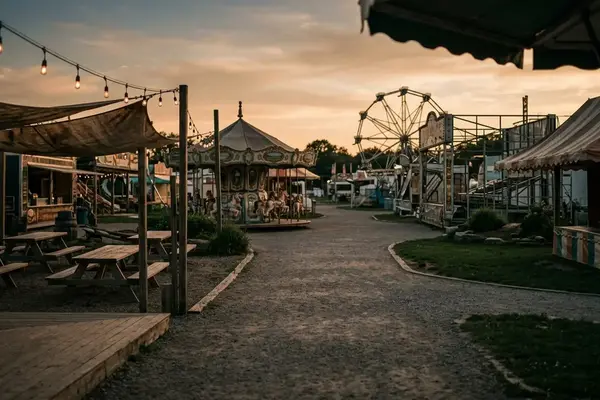
You hear a Connecticut fair before you see it. The distant hum of a tractor pull mixes with a local band tuning their guitars, creating a backdrop that tells visitors exactly where they are. But fair entertainment is not just something to watch. It is a structural tool that shapes how visitors move, where they pause, when they eat, and how long they stay.
Connecticut fairs serve as vital community gatherings. Agricultural exhibits, food vendors, pie-eating contests, carnival rides, and stage performances overlap continuously throughout the day. When programmed correctly, these elements do not compete. They support one another.
The Ledyard Fair Association approaches entertainment scheduling through the lens of community planning and visitor usefulness. A well-placed acoustic set near the dining tents gives families a reason to sit and finish their meals. A high-energy arena show draws crowds away from congested walkways. Entertainment directs the flow of the day.
The Review Lens: What Makes Fair Entertainment Work
Before judging the quality of a performance, organizers must define the criteria for success. A successful fair act requires visibility, precise timing, physical accessibility, and a strong connection to the agricultural setting.
During a multi-year research collaboration with local agricultural boards, organizers initially considered ranking acts strictly by peak audience size. This approach was rejected because it penalized niche agricultural demonstrations that hold deep traditional value. A sheep-shearing demonstration may only draw around fifty people, but those fifty people are experiencing the core educational mission of the event.
A strong entertainment lineup balances scheduled anchor events with casual walk-by moments. Visitors need the thrill of a planned main stage show, but they also need unexpected discoveries while walking between barns. Furthermore, the programming must serve multiple audiences simultaneously. Children need easy-to-access moments. Adults need comfortable pacing. Exhibitors need foot traffic that does not disrupt their competitions.
Music, Arena Shows, Contests, and Midway Acts: What Holds Attention
Visitors typically encounter several distinct categories of entertainment at a Connecticut fair. Live music creates the baseline atmosphere. Arena or ring events provide destination moments. Community contests invite local participation. Roving performers keep the walkways lively.
Each format operates on a different logistical clock.
- Main Stage Music: A standard main stage band set runs between 45 and 60 minutes, requiring a 15- to 20-minute changeover period for sound checks and equipment swapping.
- Roving Performers: Roving performers typically operate in 30-minute shifts to avoid fatigue and prevent walkway bottlenecks near popular food vendor rows.
The physical environment dictates the success of these acts. The effectiveness of a roving performer depends heavily on the width of the pedestrian thoroughfare; in narrow 10-foot walkways, they create frustrating bottlenecks, whereas in 20-foot open plazas, they successfully anchor a crowd.
Quick Tip: The strongest fair days rely on contrast. Pair a high-energy arena event in the afternoon with lower-pressure background entertainment near the food courts to give visitors a chance to decompress.
How Entertainment Changes the Day for Families and Fairgoers
For families, a trip to the fair is an endurance event. Entertainment creates necessary rest points, meeting places, and time markers that help structure a full visit.
A seated performance offers a critical break from walking. Short, interactive acts keep young children engaged without requiring a long attention span. This variety is especially important for multigenerational groups, where grandparents may want to sit and listen to a bluegrass band while teenagers explore the midway.
Strategic entertainment scheduling also reduces decision fatigue. After navigating the exhibits and riding the Ferris wheel, visitors often wonder what to do next. A clearly scheduled lumberjack show or a scheduled performance at the Cy Anderson Fellowship Hall gives them a simple, immediate destination.
The Behind-the-Scenes Value for Exhibitors, Vendors, and Volunteers
Entertainment directly influences how people circulate near barns, food areas, vendor rows, and sponsor displays. Good programming supports agricultural exhibits rather than competing with them.
Placement is everything. Placing a high-decibel musical performance directly adjacent to the livestock barns causes distress to the animals and disrupts ongoing agricultural judging. Conversely, placing a quiet, acoustic performer near a local craft vendor row can slow down foot traffic just enough to encourage browsing.
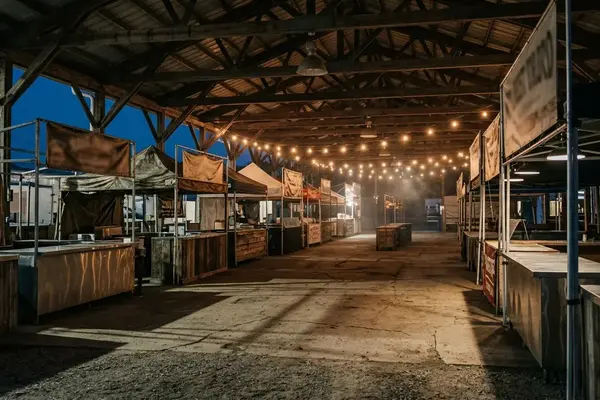
Vendors rely on these natural gathering times. When a popular show ends, the immediate surrounding area experiences a surge in foot traffic. Thoughtful fair organizers position food stands and shopping areas along the natural exit routes from these performance spaces.
What Can Go Wrong: Timing, Weather, Sound, and Crowd Flow
Even the best schedules encounter friction. Overlapping events, unclear start times, and sound bleed between stages can frustrate visitors.
Timing is the most common operational challenge. Peak crowd density typically occurs between 4:30 PM and 7:00 PM, which coincides with the transition from afternoon agricultural events to evening main stage performances. During these peak transition hours, foot traffic moving through the central midway can experience delays of 10 to 15 minutes.
Note: Always keep a flexible backup plan. Treat all outdoor entertainment as weather-dependent, and identify indoor or covered alternatives, such as exhibition halls, where your group can pivot if a sudden rainstorm halts a stage show.
Scope of This Review: What Entertainment Can—and Cannot, Promise
This review examines the structural role of live entertainment within the Connecticut fair experience. It is not a ranking of individual performers or a guarantee that specific acts will appear at every event.
Live programming depends heavily on available space, volunteer capacity, performer needs, and day-of operational decisions. Environmental factors also play a massive role in how an audience experiences a show.
Outdoor acoustic and line-of-sight dynamics change drastically depending on the wind direction and the density of the crowd, meaning a performance that sounds perfectly balanced during a morning sound check may be entirely inaudible at the back of the seating area by peak afternoon hours. Visitors should approach the daily schedule as a strong framework rather than an inflexible contract.
Best-Fit Recommendations by Type of Fair Visitor
Different visitors need different things from a fair schedule. To develop these visitor-specific recommendations, planners mapped the typical walking routes of different demographic groups over a three-day period, identifying where families with strollers naturally pause.
- Families with Young Children: Mix short, roving acts with one seated performance. Use the seated show as a designated rest period before tackling the midway.
- Connecticut Fair-Circuit Visitors: Compare how each fair blends its unique agricultural programming with its entertainment. Look for acts that highlight local traditions.
- Exhibitors: Check the entertainment schedule against your competition responsibilities. Plan your breaks during major arena shows when barn traffic is lighter.
- Vendors and Sponsors: Observe how entertainment placement affects visibility. Position your breaks or high-staffing needs around the start and end times of nearby performances.
Summary: The Association of Connecticut Fairs thrives on variety. By understanding how entertainment moves crowds and creates natural pauses, you can build a fair day that feels full without feeling exhausting.

Comments
No comments.
Write a Comment