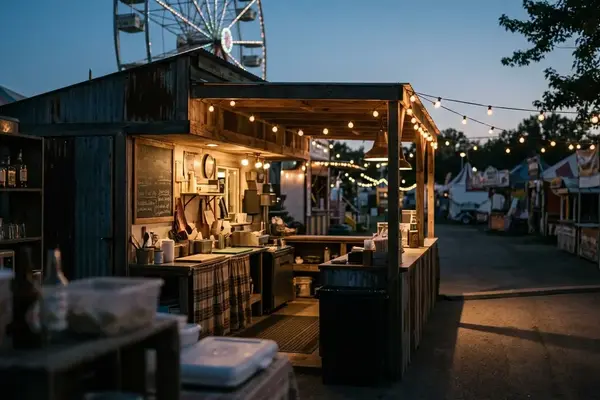
A nonprofit booth at the Ledyard Fair works best when it behaves less like a brochure rack and more like a small front porch. People are walking. Children are pulling sleeves. Someone is carrying fried dough in one hand and a livestock ribbon in the other.
That is the setting. Good outreach respects it.
Choose One Job for the Booth Before You Pack a Box
Start with the pressure point
The strongest booth plans begin before anyone loads folding tables, banners, or clipboards. The team names one job for the booth: recruit volunteers, meet families who may need services, collect community input, raise awareness, or build sponsor relationships.
Pick the one that matters most right now. If the real Q4 pressure is filling a winter meal delivery roster, the booth should not split attention between five programs, a donation jar, a policy petition, and a newsletter signup.
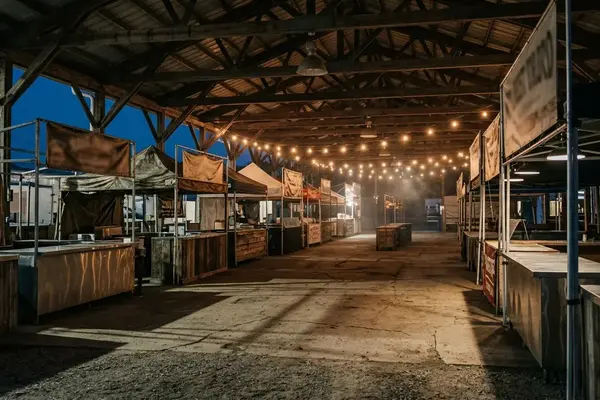
A fair booth is not a formal fundraising room. Visitors are moving through noise, food smells, animal barns, contests, vendor rows, and entertainment areas. Many are with children. Most will give a booth only a few seconds of passing attention before deciding whether to stop.
Summary: In a standard 10x10 foot footprint, one clear outcome beats a crowded table with good intentions.
Choose a success marker
Use a measurable marker that fits the goal. Count meaningful conversations. Count completed interest forms. Count scheduled follow-up calls.
Do not count every passerby who smiles. That number feels nice and teaches very little.
Match Your Message to the Way People Move Through a Fair
Read the fairground, not just the mission statement
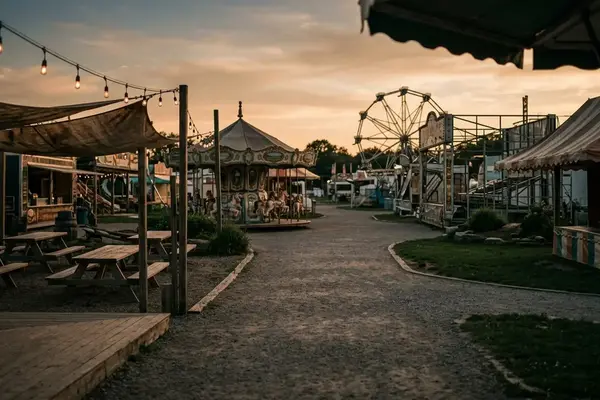
The Ledyard Fair audience includes families, local residents, agricultural exhibitors, volunteers, vendors, sponsors, and Connecticut fair-circuit visitors. Some people arrive from livestock barns. Others come from food lines, entertainment areas, contests, or quieter vendor rows.
That path changes what they can hear.
Outreach coordinators do well to walk the fairgrounds during setup and notice the mood shift from louder entertainment zones to calmer browsing areas. A visitor leaving a tractor pull hears a different opening than a parent pausing near a craft vendor.
Use visitor-first language
Mission-first language usually sounds like this: “We operate a community-based resource navigation program.” Visitor-first language sounds like this: “We help local families find food, rides, and support before things become a crisis.”
The second version gives the fairgoer a place to stand.
Opening hooks should stay short, roughly 10 to 15 words. Mid-afternoon peak foot traffic periods are not the time for a paragraph. Try a question tied to daily life: “Do you know a neighbor who could use winter meal help?”
Quick Tip: Train volunteers on one adjustment: changing the pitch based on whether the visitor is dragging a tired toddler toward the exit or leisurely browsing with a funnel cake.
Design a Booth People Can Understand in Ten Seconds
Give the table a hierarchy
A good nonprofit booth has a visible order. One clear sign. One main table activity. One handout. One next step.
That is enough.
Primary signage should sit within clear sightlines, roughly 24 to 36 inches where visitors naturally look across the table. The message should tell people who the nonprofit helps and what the visitor can do today.
Use real objects when possible
Objects carry meaning faster than paragraphs. A food pantry can use a small donation bin with sample shelf-stable items. A youth mentoring program can show volunteer badges or activity supplies. A housing repair group can display before-and-after project materials.
Real materials make the work feel local and practical.
The common trap is clutter. Too many brochures, tiny-print posters, and competing calls to action force visitors to work. Most will not.
Note: Failing to weigh down light materials can send brochures blowing across the fairgrounds during a sudden afternoon wind gust. Keep 2-inch heavy-duty binder clips in the booth kit.
Some organizers want QR-code-only signups because paper feels old-fashioned. That can work indoors. At an outdoor fair, glare from afternoon sun and spotty cellular reception near livestock areas can make a paper backup the more respectful choice.
Prepare Conversations, Not Speeches
Build three paths
Fair conversations should branch quickly. Staff need one path for families who may need services, one for residents who might volunteer, and one for businesses or civic groups that might sponsor or partner.
These are not scripts to recite. They are guardrails.
- For families: “Would a local resource list be useful for you or someone you know?”
- For volunteers: “We are looking for neighbors who can help with short shifts. Can I tell you the quick version?”
- For sponsors or partners: “We work with local groups on practical support. Would a follow-up conversation make sense?”
Ask permission first
A permission question keeps the exchange friendly. “Can I tell you the quick version?” works because it gives the visitor control. “Would this be useful for someone you know?” works because it avoids assuming need.
Role-playing with a timer helps. A 10 to 15-second elevator pitch is short enough to survive a passing parade, a crying child, or a friend waving from the food line.
The next step should feel light: take a card, scan a signup option, attend an orientation, or request a follow-up call. Pressure makes people step back.
Staff the Booth Like Outreach, Not Table Sitting
Assign roles, not just shifts
A booth staffed by seated volunteers waiting for questions will miss people. Outreach needs movement, eye contact, and clear handoffs.
Assign roles when staffing allows: greeter, explainer, signup helper, children’s activity lead, and runner for supplies or breaks. Two-person coverage helps because one person can welcome visitors while another answers deeper questions or helps with forms.
Keep shifts humane
Two to 3-hour maximum shift lengths tend to keep energy steadier than all-day assignments. A 15-minute overlap lets the outgoing team brief the incoming team on trending questions, supply shortages, and any sensitive follow-up requests.
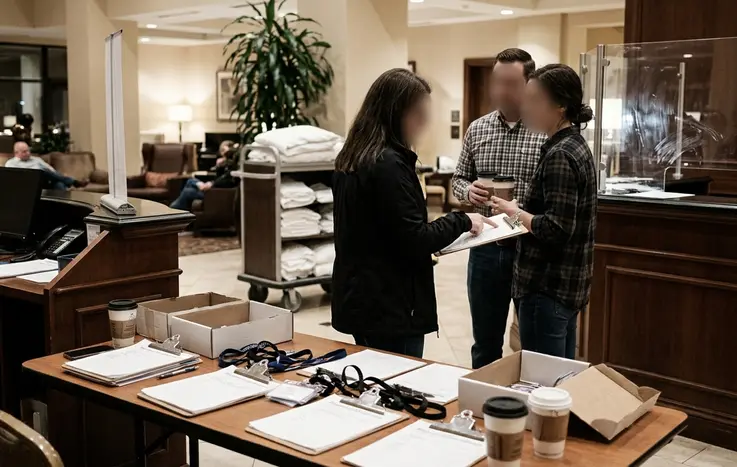
Every booth volunteer should know five things before the fair opens.
- The main goal of the booth.
- Who the nonprofit serves.
- What not to promise.
- Where to direct urgent needs.
- How to record follow-up requests.
Summary: A booth is a live outreach post, not storage space for printed material.
Collect Contact Information Without Making Visitors Uneasy
Make the ask specific
Signups should feel optional, specific, and transparent. Visitors should know what they are signing up for and how the nonprofit will use the information.
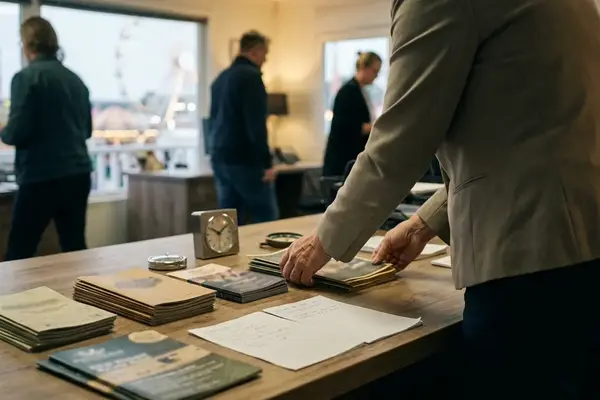
Separate forms by intent: volunteer interest, service inquiry, newsletter, donation follow-up, or community feedback. Distinct clipboards help staff hand the right form to the right person without fumbling.
For many booth interactions, a 3-field minimum form is enough: name, contact, and interest. Ask only what the next step requires.
Protect privacy at the table
Leaving open signup sheets on the front edge of the table exposes previous visitors’ contact information to anyone walking by. Staff should cover clipboards between interactions or keep completed sheets behind the table.
Do not ask for sensitive information at a public booth unless it is necessary and staff know how to handle it. For communication access, nonprofits can review ADA.gov guidance on effective communication before preparing booth materials and conversations.
Note: A fair table is public space. Treat every form as if a neighbor might glance at it.
Create a Small Moment Families Will Remember
Make the activity serve the mission
A family-friendly booth does not need a carnival game. It needs one small moment that connects to the nonprofit’s work.
Children can color cards for service recipients, add a note to a kindness pledge board, sort sample canned goods into categories, answer a quick volunteer matching question, or take seed packets from a garden program. The activity should point back to the mission, not pull attention away from it.
Test reset speed
Activities should be short, clean, safe, and easy to reset. If a volunteer cannot clear materials and prepare for the next family in about a minute, the booth will jam during busy periods.
Think about access too. A 32-inch table height can work better for wheelchair users and families pushing strollers than a display that forces everyone to reach high or lean far forward.
Quick Tip: Keep extra crayons, wipes, tape, and trash bags in the same bin. The best family activity fails fast when cleanup supplies are missing.
Make the Booth Recognizable Year After Year
Keep one or two familiar elements
Memorable booths are not always the loudest. Often, they keep one or two core visual elements from year to year so returning fairgoers can recognize them quickly.
That might be a color, a simple banner phrase, a photo board, or a hands-on item tied to the nonprofit’s work. Consistency helps without turning the booth stale.
Review what people actually used
After the fair, veteran exhibitors look at what survived the weekend. Which handouts disappeared into pockets? Which flyers ended up untouched? Which items were found discarded near trash barrels?
That evidence is plain, but useful. Keep the materials people carried away. Retire the pieces that only made the table look full.
Know the Rules and Limits Before You Promise Anything
Check the packet before the week gets busy
Nonprofits should confirm booth rules two to four weeks before the event. That timing gives staff room to fix gaps without scrambling during fair week.
For the Ledyard Fair, confirm current instructions from the Ledyard Fair Association as the organizing body for that year’s event. If a meeting, packet pickup, or vendor check-in uses Cy Anderson Fellowship Hall, note the exact timing and parking instructions before sending volunteers.
Fairground conversations are public, brief, and weather-dependent, so booth plans need room for judgment.
Use a promise checklist
A short checklist can keep staff aligned on what the organization is authorized to say. Include booth rules, setup times, parking instructions, electrical access, food distribution limits, fundraising permissions, signage rules, weather procedures, service eligibility language, and urgent-need referral steps.
Participation in a fair booth does not guarantee donations, volunteers, media attention, or program enrollment. It creates a local point of contact. That is still valuable, but it is not magic.
Note: If a visitor asks for a service decision at the booth, staff should explain the next step instead of promising an outcome.
Follow Up While the Fair Is Still Fresh
Sort leads before packing the last tote
The outreach work continues after the tablecloth comes off. At the end of each day, spend about ten minutes sorting notes while conversations are still fresh.
Separate high-priority service requests from volunteer leads, sponsor prospects, newsletter additions, and general comments. Do not let every slip of paper land in one pile.
Respond in a practical window
A two to three-day follow-up window keeps the connection warm without pretending the booth team can answer everything overnight. Start with the people who asked for help or requested a call.
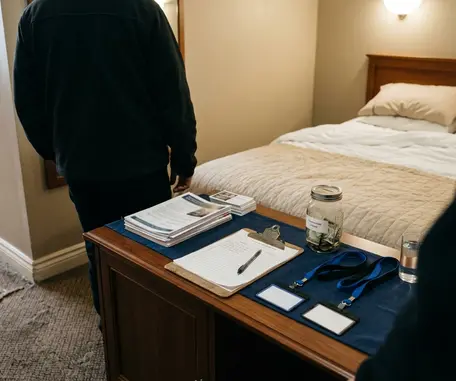
The final test is simple: did the booth make it easier for a neighbor to understand the nonprofit and take one clear next step?
If yes, the booth did its job.
Comments
No comments.
Write a Comment