
Quick Nav
- Shifting to a Sensory-Paced Fairground Strategy
- Targeting Low-Intensity Arrival Windows
- Assembling a Familiarity-Based Comfort Kit
- Mapping the Sensory Load of Barns and Midways
- Designing 30-Minute Exploration Loops
- Recognizing and Responding to Rising Strain
- Anchoring the Day Around a Single Priority
Shifting to a Sensory-Paced Fairground Strategy
How can you enjoy Ledyard Fair’s entertainment without letting noise, crowds, lights, or a packed schedule overwhelm the day? Families frequently arrive at the fairgrounds with a rigid agenda to see every ribbon-winning pumpkin, ride every carousel, and watch every main stage act. Shifting to a sensory-paced strategy changes this dynamic entirely. Planners evaluate which fair elements cause the most friction for their specific group. They prioritize recovery time over seeing every exhibit. This guide helps visitors anticipate sensory demands, choose priorities, build in recovery time, and change plans without treating a shorter visit as a failure.
The traditional county fair environment presents a unique concentration of stimuli. Agricultural exhibitions, live music, and mechanical rides operate simultaneously within a confined footprint. Navigating this environment requires a deliberate departure from the completionist mindset. Visitors achieve better outcomes by treating the fairground as a menu of options rather than a mandatory checklist. Evaluating the physical layout and the daily schedule allows groups to identify potential stress points before they arrive at the gates.
Targeting Low-Intensity Arrival Windows
Arriving within the first 45 to 60 minutes of gates opening provides a distinct logistical advantage. The morning air remains cooler. Lines for popular attractions have yet to form. Ambient noise stays relatively low as vendors finish their daily setup and midway operators run their initial equipment checks. Check the current Ledyard Fair schedule before choosing an arrival time, since entertainment, operating hours, and grounds layouts can change from year to year.
Planners evaluate the fair schedule to pinpoint high-intensity windows. Overlapping headline entertainment and peak meal periods create massive crowd convergence in central walkways. When a popular band takes the main stage at the same time the food court reaches its lunch rush, the surrounding pathways become difficult to navigate. Preserve a 30-minute buffer before and after the main attraction. This buffer absorbs the inevitable delays of moving through a dense crowd and provides time to find suitable seating.
Deliberately discard the approach of mapping out every single hour of the day. Rigid schedules crumble under the reality of fairground logistics. A sudden line at the restrooms or a fascinating demonstration in the poultry barn easily derails a minute-by-minute itinerary. Anchor the visit around one priority event and leave the surrounding hours open for spontaneous, low-pressure exploration.
Assembling a Familiarity-Based Comfort Kit
A well-designed packing list prevents minor inconveniences from escalating into major disruptions. Pack properly fitting hearing protection, a brimmed hat or sunglasses, water, familiar snacks where permitted, a comfort object, hand wipes, and a portable phone charger. The charger requires specific attention. Navigating digital fair maps, coordinating with separated family members, and running background noise applications drain batteries quickly in areas with congested cell towers. A portable charger on the order of 5000mAh keeps those digital tools available throughout the visit.
Field Note: The Familiarity Rule
Caregivers select items for the sensory kit based strictly on familiarity. Pack only tools the individual already uses successfully at home rather than introducing novel therapeutic items in a high-stress environment. A new brand of ear defenders or an untested weighted garment might cause additional tactile irritation. Rely on the exact items that provide proven comfort in the living room or the classroom.
Bring a simple printed or phone-based schedule with only the family’s selected activities marked. Presenting the full, multi-page program often creates anxiety about missing out on concurrent events. A curated list keeps the focus on the chosen priorities. A familiar fidget, chew-safe item, or communication card can help visitors who already use one, without any medical or therapeutic claim attached. These tools simply offer a predictable sensory input amidst the unpredictable environment of the fairgrounds.
Mapping the Sensory Load of Barns and Midways
Common agricultural-fair environments sort roughly by their likely sensory demands, though it is worth verifying which attractions appear on the current Ledyard Fair schedule. Separate the predictable agricultural barns from the highly variable midway rides to help visitors choose their exposure levels. The demands differ sharply from one corner of the property to another — diesel generators on the midway, bedding and manure odors in the barns.
The midway features a chaotic sensory profile—flashing lights, sudden bells, overlapping music, and the constant low-frequency rumble of diesel power. The generators required to run mechanical rides produce a vibration that visitors can feel through the pavement. Conversely, the agricultural barns present strong, unfamiliar smells of livestock bedding, manure, and specialized animal feeds. The auditory environment in the barns consists of unpredictable animal vocalizations and echoing announcements over older public address systems.
Maintain viewing distances of 50 to 100 feet from midway generators or stage speakers. That distance cuts the physical impact of low-frequency sound waves and gives a wider field of vision to anticipate sudden lighting changes. For live entertainment areas, consider amplified sound, applause, changing crowd density, and the option to watch from the edge where an exit route remains visible. Observing midway rides and games from a distance before joining a line also helps. This observation period allows visitors to process the motion, the noise, and the operational sequence of the ride before committing to the enclosed space of the queue.
This preview strategy relies on the availability of accurate, up-to-date fairground maps; if the layout shifts significantly from the previous year, caregivers will need to do a quick solo scout upon arrival before guiding the rest of the group.
Designing 30-Minute Exploration Loops
Divide the visit into short loops that return toward a known landmark, seating area, or exit instead of crossing the grounds repeatedly. The traditional method of walking from one end of the fair to the other and back again maximizes physical fatigue and sensory exposure. A hub-and-spoke navigation model works much better. Establish a comfortable home base near the perimeter of the grounds. Venture out to see a specific attraction, then return to the base to decompress.
Establishing the Hub
Limit active exploration loops to 20 to 30 minutes before returning to a designated seating area. This timeframe aligns with the natural attention span for high-stimulation environments and prevents the sudden onset of exhaustion. Choose a break location by observable features: distance from speakers and generators, shade, available seating, lower foot traffic, and a clear route out. The area near the Cy Anderson Fellowship Hall often provides a more predictable environment, away from the immediate glare of the midway.
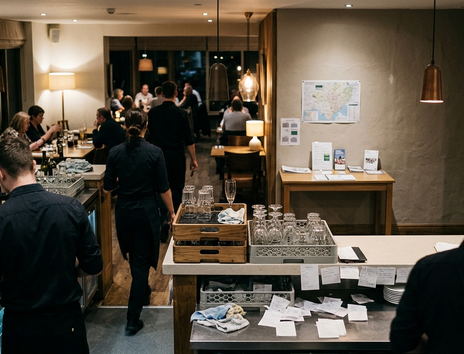
Avoid labeling any location a quiet zone unless the current fair map or Association of Connecticut Fairs staff confirms that designation. An empty patch of grass might seem quiet at 10:00 AM, only to become the staging area for a marching band at 11:00 AM. Rely on permanent physical features, such as solid walls that block sound or mature trees that provide deep shade, when selecting a rest area.
Recognizing and Responding to Rising Strain
Watch for individualized signs of rising sensory strain: covering ears, becoming unusually quiet, repetitive questioning, rushing, irritability, freezing, trying to leave, or losing interest in normally preferred activities. These behaviors serve as early warning systems. They indicate that the environmental demands are outpacing the individual's capacity to process them. Causes vary, and caregivers should rely on the person’s established communication and support needs.
Caregivers establish a calm response sequence by deciding in advance to reduce verbal instructions, move away from the immediate stimulus, and pause all itinerary decisions the moment individualized signs of strain appear. When auditory processing becomes overwhelmed, adding more words to the situation only increases the cognitive load. Use simple gestures to guide the person toward a quieter area.
Keep the sequence simple: reduce talking, move away from the immediate stimulus, offer a familiar support, pause decisions, and reassess in a lower-demand location. Do not ask the person what they want to do next while they are standing next to a roaring tractor pull. Wait until the group has reached a shaded bench on the perimeter of the grounds before discussing the next step. This pause allows the nervous system to reset and prevents a minor moment of overwhelm from escalating into a complete shutdown.
Anchoring the Day Around a Single Priority
Families build their final itinerary by selecting a single must-do anchor attraction and treating all other exhibits, food stops, and performances as modular add-ons that can be dropped without viewing the day as a failure. A sample sequence: arrive with extra time, orient at the entrance, complete one chosen attraction, take a planned break, decide together whether to add food or another activity, and leave before fatigue controls the decision.
Executing Plan B
Set a maximum of one primary agricultural exhibit and one secondary food stop. This limitation forces groups to identify what truly matters to their fair experience. Establish a firm threshold for abandoning a crowded food queue during peak agricultural fair meal periods. If the line for fried dough extends past the neighboring vendor's booth, or if the wait runs past roughly fifteen minutes in direct sunlight, execute Plan B immediately. Have a backup snack ready or choose a less popular food vendor located away from the main crossroads.
Plan B might mean replacing a loud stage performance with viewing from farther away, substituting a walk past an attraction for joining its line, or moving a meal to a less crowded time. Watching the draft horse pull from the grassy hill overlooking the arena often provides a better, more relaxed experience than sitting in the crowded, echoing metal bleachers right next to the track. Define success in advance using achievable outcomes—seeing one agricultural exhibit, watching part of a performance, or staying long enough to enjoy a favorite food.
Commit to leaving the fairgrounds while the group is still having a good time. Exiting at the peak of a positive experience keeps the memory of the Ledyard Fair favorable and builds the foundation for a longer, equally successful visit next year.







Comments
No comments.
Write a Comment