
Establishing a Stamina Baseline Before Selecting Attractions
Which fair attractions will suit everyone in your group without using up their energy too early? The planning process begins by evaluating the group's collective stamina baseline. Planners must prioritize the needs of the fastest-fatiguing member to establish a realistic duration for the visit before selecting any specific attractions. Treat age, interest, and available energy as three separate planning factors. A teenager recovering from a sports tournament may have less available energy than a highly active grandparent, requiring a completely different approach to the day.
Mixed-age groups tend to do best with continuous visit windows of roughly three to four hours. Pushing beyond this window without a significant reset often leads to exhaustion and frustration. A successful visit requires one primary anchor event per visit segment. This anchor serves as the focal point, allowing the rest of the schedule to flex around it. Options span a wide spectrum: high-velocity rides and active play, educational animal and agricultural areas, bustling vendor or exhibit aisles, seated entertainment, strategic food stops, and essential downtime.
Mapping the Group's Energy Budget Across the Grounds
Organizers map out an energy budget by categorizing attractions into three distinct intensity classifications. High-intensity attractions include spinning midway rides, loud interactive games, and crowded main stage areas. Moderate-intensity activities involve walking through animal barns, browsing vendor aisles, and viewing stationary exhibits. Low-intensity options encompass seated shows, quiet demonstrations, and dedicated meal breaks.
A rigid hour-by-hour itinerary was initially considered to manage the day. Planners rejected this approach because unpredictable midway lines and livestock judging delays quickly derail strict schedules, making a flexible sequence of alternating intensities much more practical. The most effective strategy schedules somewhere between 45 and 60 minutes of low-energy recovery time following a high-intensity attraction. A simple planning method helps: list each person’s must-see attraction, one acceptable shared activity, and the point at which that person usually needs food, seating, or quiet. Build the day around the person with the least stamina while preserving limited choice windows for more energetic group members.
Midway Adrenaline Management Warning
Stacking multiple high-intensity rides back-to-back depletes a group's energy reserves rapidly. Dispersing these adrenaline-heavy activities across the visit prevents the sudden fatigue crashes that typically occur mid-afternoon.
Managing Sensory Load During Toddler Visits
Prioritize visually engaging stops that do not require long waits. Viewing livestock from a comfortable distance, watching brief demonstrations, or exploring a small portion of an exhibit area keeps young children entertained without overwhelming them. Caregivers determine transition times by monitoring the child's sensory load. They choose to exit an exhibit area while the toddler is still engaged to prevent the inevitable meltdown that follows overstimulation. Toddlers process new environments differently than adults, absorbing massive amounts of sensory data from the sights, sounds, and smells of the fairgrounds.
Keep seated demonstrations to a 15- to 20-minute maximum duration. Young children lack the developmental capacity to sit still for longer performances, regardless of the content. Limit the itinerary to two or three short, familiar experiences per visit. A complete tour of the grounds guarantees exhaustion. Plan food, hydration, restroom or diaper needs, stroller access, and a quiet reset before signs of fatigue appear. Proactive hydration and snacking maintain blood sugar levels, keeping the child comfortable and cooperative.
Curating Concrete Attraction Choices for School-Age Children
To prevent decision fatigue, adults curate a highly restricted menu of options. Present three concrete options during each transition phase. Offering a choice between an animal area, an active attraction, and a food stop empowers the child while maintaining the adult's control over the day's pacing. Asking children to choose from the entire fairground map overwhelms them and often leads to poor pacing decisions.
Use agricultural exhibits, competitions, and demonstrations to turn curiosity into participation. Encourage children to notice specific animal breeds, compare vegetable entries, ask appropriate questions of the exhibitors, or predict what a judge may examine. Balance games and rides with attractions that involve observation, conversation, or learning so the day avoids becoming a monotonous sequence of lines. Save one child-selected final stop for just before departure. That last choice leaves the child with a strong positive memory of autonomy as they exit the gates.
Judging Criteria Tip
Reviewing the basic judging criteria for livestock or produce before entering the barns gives school-age children a specific task. Searching for the heaviest pumpkin or the sheep with the thickest fleece transforms a passive walk into an active scavenger hunt.
Structuring Independent Roaming Windows for Teens and Adults
Interest-led routes work best for teens and adults, covering rides, competitive events, livestock areas, demonstrations, live entertainment, food vendors, craft displays, and shopping. Older group members require autonomy to explore the fairgrounds at their own pace. The group establishes fixed anchor events to keep everyone loosely tethered, allowing older members to dictate their own routes between these mandatory gathering points based on personal interests.
Plan two shared anchor events per day. These anchors might be a specific lumberjack show, a tractor pull, or a family dinner. Allow independent roaming windows of about 90 to 120 minutes between these events. That freedom depends entirely on the fairgrounds' cellular reception holding up under peak crowd density; without reliable signal, physical time-and-place check-ins must be strictly enforced. Use specific meeting locations and times. Instructing a teenager to meet at the main ticket booth at 2:00 PM works perfectly. Suggesting they meet somewhere near the midway guarantees confusion and wasted time.
Executing the Anchor-and-Branch Fairground Routing Protocol
Start with attractions that offer value across generations. Animal exhibits, agricultural competitions, a shared meal, a demonstration, or seated entertainment appeal to toddlers, teens, and grandparents simultaneously. Route planners use an anchor-and-branch approach to the grounds. Select a central, accessible event for the entire group to attend together. Follow this with a brief division into high-energy and low-energy subgroups that explore nearby areas before reuniting.
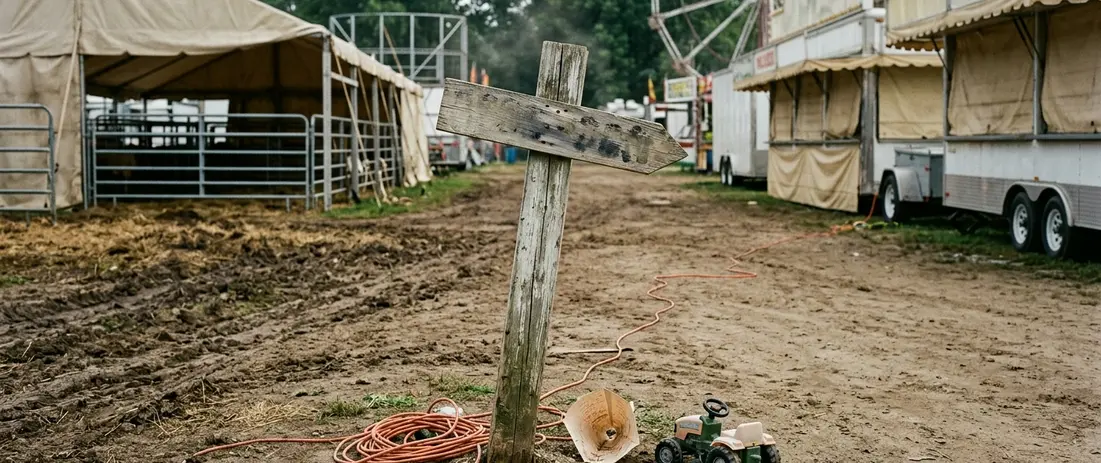
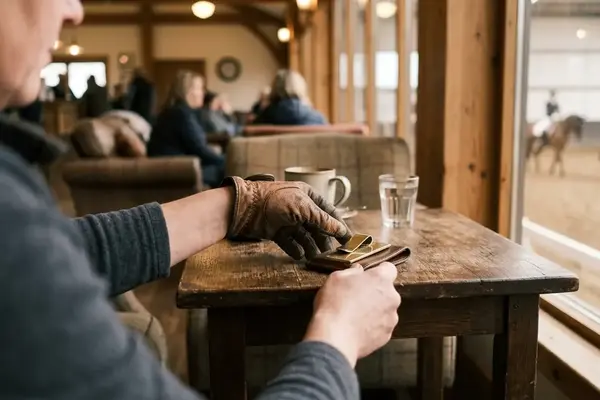
Maintain about two hours minimum spacing between shared anchor events. This spacing provides enough time for the branches to explore without feeling rushed. Place benches, dining areas, shaded pauses, and accessible routes directly into the plan. Treating rest as lost time guarantees a miserable afternoon for the entire group. Designate one shaded or seated rest area per branch cycle. The Cy Anderson Fellowship Hall works well for these essential pauses, offering a comfortable space away from the direct sun and heavy foot traffic.
Sequencing Physical Demands to Regulate Adrenaline
Alternate standing, walking, sitting, eating, and high-stimulation attractions. The schedule is structured to alternate physical demands, deliberately inserting a seated show or a slow-paced agricultural exhibit immediately after a high-stimulation midway visit to naturally regulate the group's adrenaline and physical fatigue. Continuous walking on uneven grass drains energy faster than walking on paved surfaces, requiring frequent seated breaks to recover.
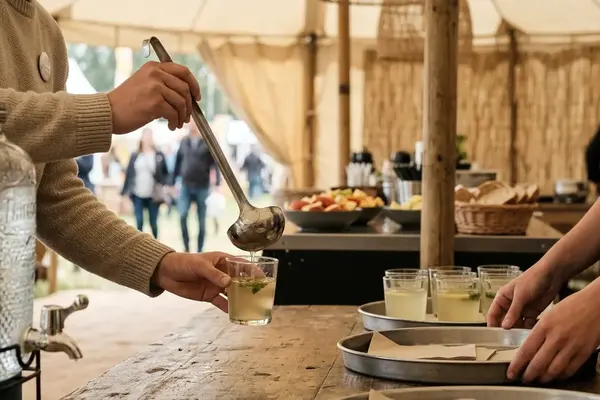
Place must-see outdoor or time-specific attractions early enough that fatigue, weather, or a delayed meal does not force their cancellation. Knocking out the highest priority items early in the day removes the pressure from the afternoon schedule. Use food stops strategically to force a seated break. Meals scheduled just after 11:00 AM, or not far from 2:00 PM, bypass peak vendor rushes. That timing avoids the 30- to 45-minute waits regulars report at popular food stands, keeping the group moving efficiently and preventing hunger-induced irritability.
Distilling the Final Itinerary to Essential Priorities
A compact planning checklist helps at the end. Choose two shared anchors, identify one priority per person, mark likely food and rest points, confirm current times and restrictions, and keep one optional attraction ready to drop. The final itinerary is distilled down to its absolute essentials, with one priority attraction per group member. This ensures everyone leaves feeling their specific interests were valued and met.
Explicitly designate one optional attraction, pre-selected for cancellation if the group's energy wanes. Having a pre-agreed item to drop prevents arguments when the group hits its stamina limit. Judge success by whether the group enjoyed meaningful parts of the fair together. Covering every acre of the fairgrounds matters far less than the quality of the shared experience.
Stamina-Based Attraction Sequencing Takeaway
Protecting the group's energy requires ruthless prioritization. Dropping a planned activity to sit in the shade often saves the rest of the evening from descending into exhaustion.
Which attraction will you make the day’s anchor, and what will you leave optional to protect everyone’s energy?






Comments
No comments.
Write a Comment